Free mealBest matchFree
Unity Community Dinner
19 Bridge Street, Downtown Harbourview
Not listed as open today~4 min walk (estimate)
Information last checked 2 days agoDemo listing
Community food-access planner
Food banks, free meals, community fridges and low-cost groceries in one realistic plan, built around your hours, your budget, your kitchen and how you get around.
Need food today?See what's open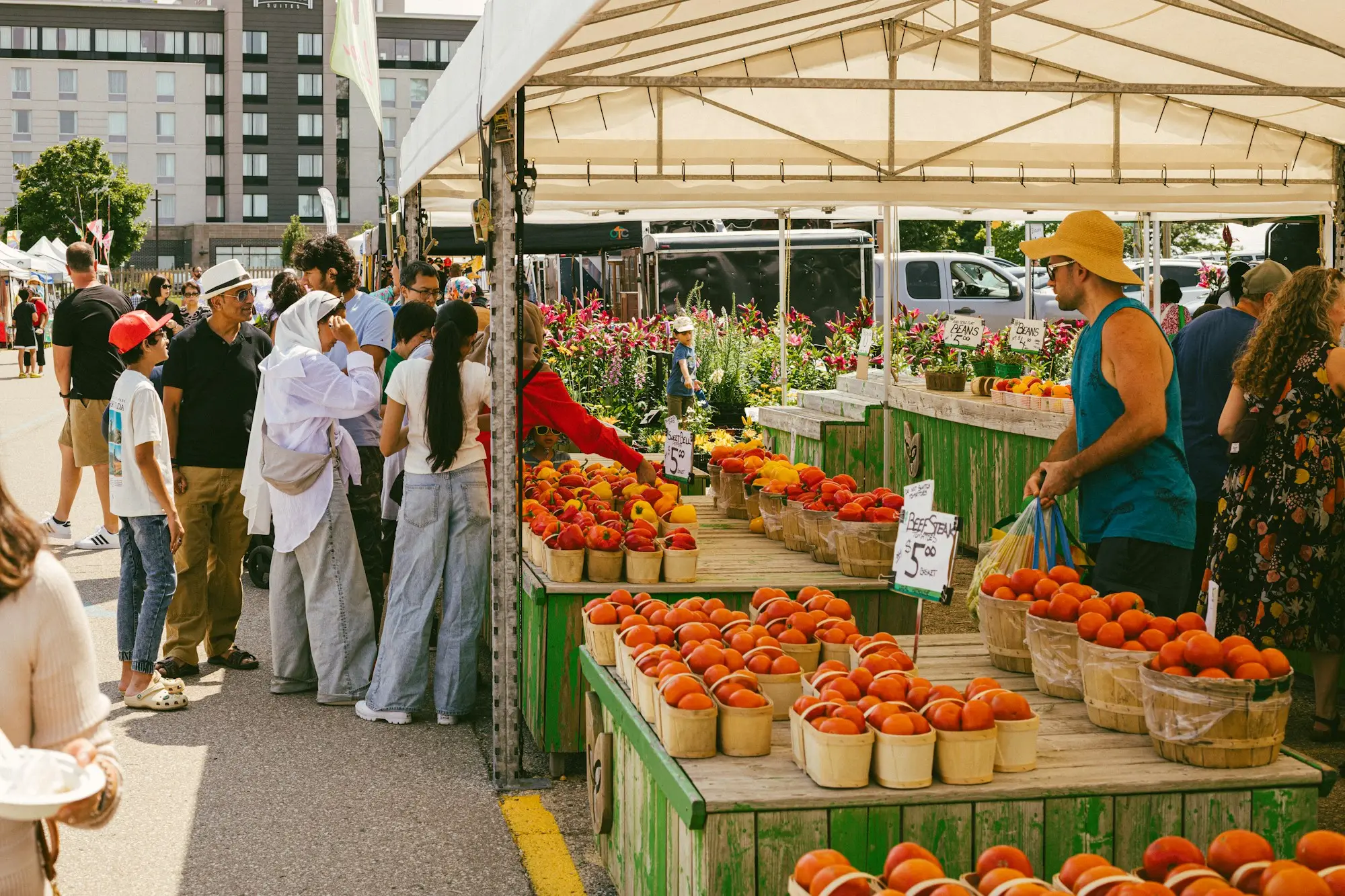
Next stopFrom a sample plan · demo data
Harbour Community Pantry
Tue 10:00 AM · 20 min by transit · Free
Backup: Eastgate Community Hub Food Bank
Illustrative stock photography.
Start where you are
Whether you need something tonight or want the week sorted, every path ends in places you can actually get to.
01Find food today
Four questions. Places listed as open come first, with no-appointment options and a backup.
Need food today?
02Plan your week
Seven short questions about your household, budget, kitchen and how you travel. You get free stops in the order that works, a grocery stop to fill the gaps, and a backup for each.
03Stretch your budget
Tell us what you can spend and what you can cook with. We suggest staples, quantities and meal ideas.
Plan a grocery basket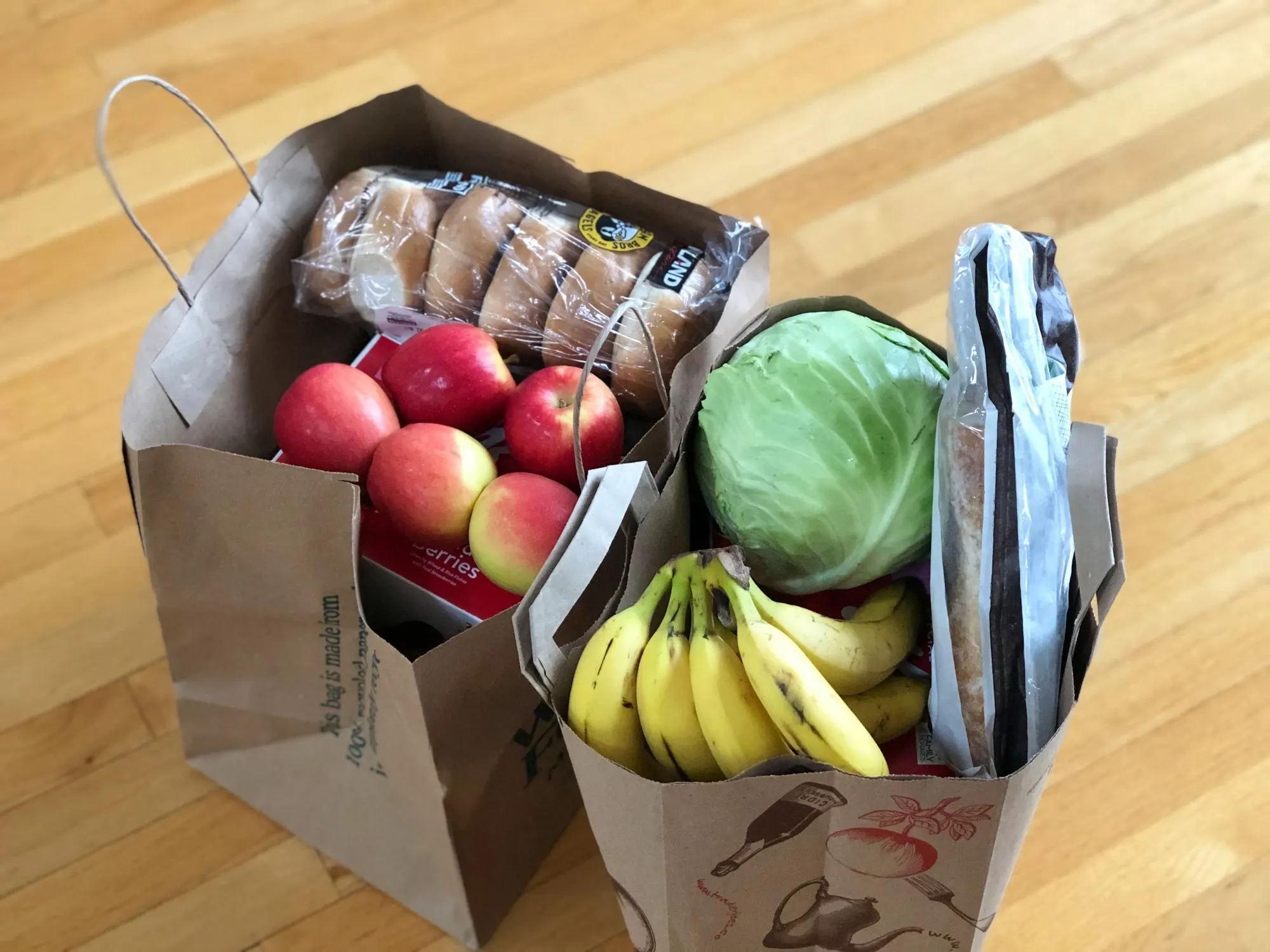
The product
Everything below is drawn by the same code you use, for one sample household. Try saving the listing: it goes into My Plan on this device.
Listings are fictional demo data for Harbourview, a city that does not exist. Prices are estimates, not live.
The plan, in order, with backups
Harbour Community Pantry
Pantry pick-up · 20 min away
Backup Eastgate Community Hub Food Bank
Thrifty Basket Grocery
7 staples, 18–27 servings · 3 min walk
Unity Community Dinner
Hot meal, no registration · 4 min walk
Backup Eastgate Morning Table
Built by the planner for two people, $18, two days, transit and walking, a full kitchen, dairy-free, on a sample Tuesday morning in our fictional demo city.
The listing that scored highest
19 Bridge Street, Downtown Harbourview
The grocery stop, itemised
$16.84of $18
Makes, for example
How matching works
Every listing is scored out of 100 against your answers. The weights are fixed and the same for everyone, and nothing learns from you.
The number only sets the order. You see a plain label and the reasons, because “82” sounds more precise than the data is.
Read exactly how it worksHow Unity Community Dinner scored for the sample household
96/100Best match
Open when you need it
Posted hours inside the window you chose. Never live availability.
21 / 25 points
Travel time
Estimated for the way you get around. Long trips score lower, never zero.
20 / 20 points
Fewer hoops
Appointments, registration, ID and residency rules each add a step.
20 / 20 points
Getting there
Transit access, parking and step-free entry, depending on your answers.
10 / 10 points
Food you can eat
Whether the listing notes options for the needs you selected.
10 / 10 points
Food you can cook
Matched to a full kitchen, a microwave, a kettle, or nothing at all.
5 / 5 points
Fits the budget
Free always passes. Paid options are checked against your budget.
5 / 5 points
Fresh information
Recently checked listings score a little higher. Reported changes score zero.
5 / 5 points
What a plan draws on
Most directories list one kind. A real week usually needs a mix, so the planner scores them all together.
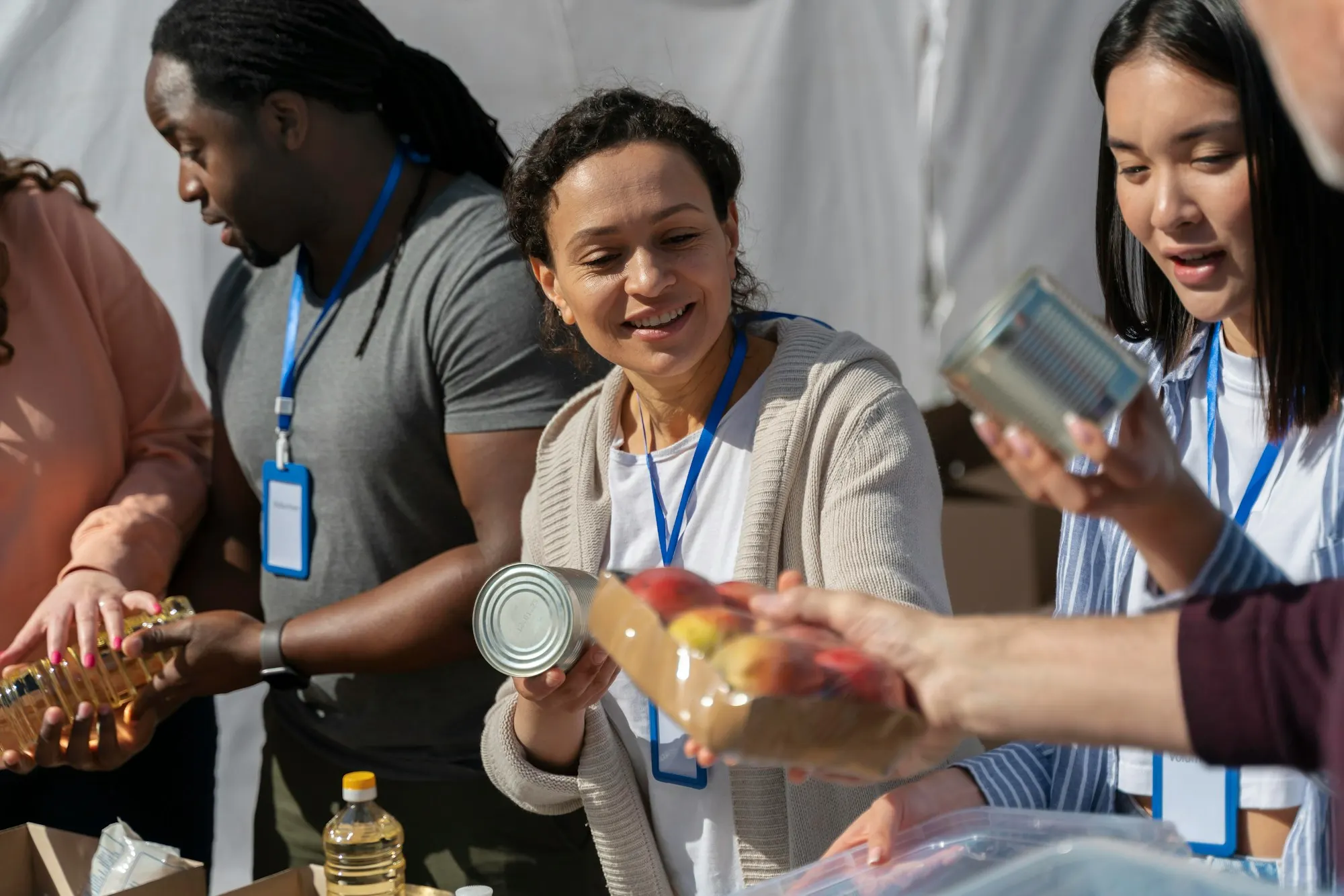
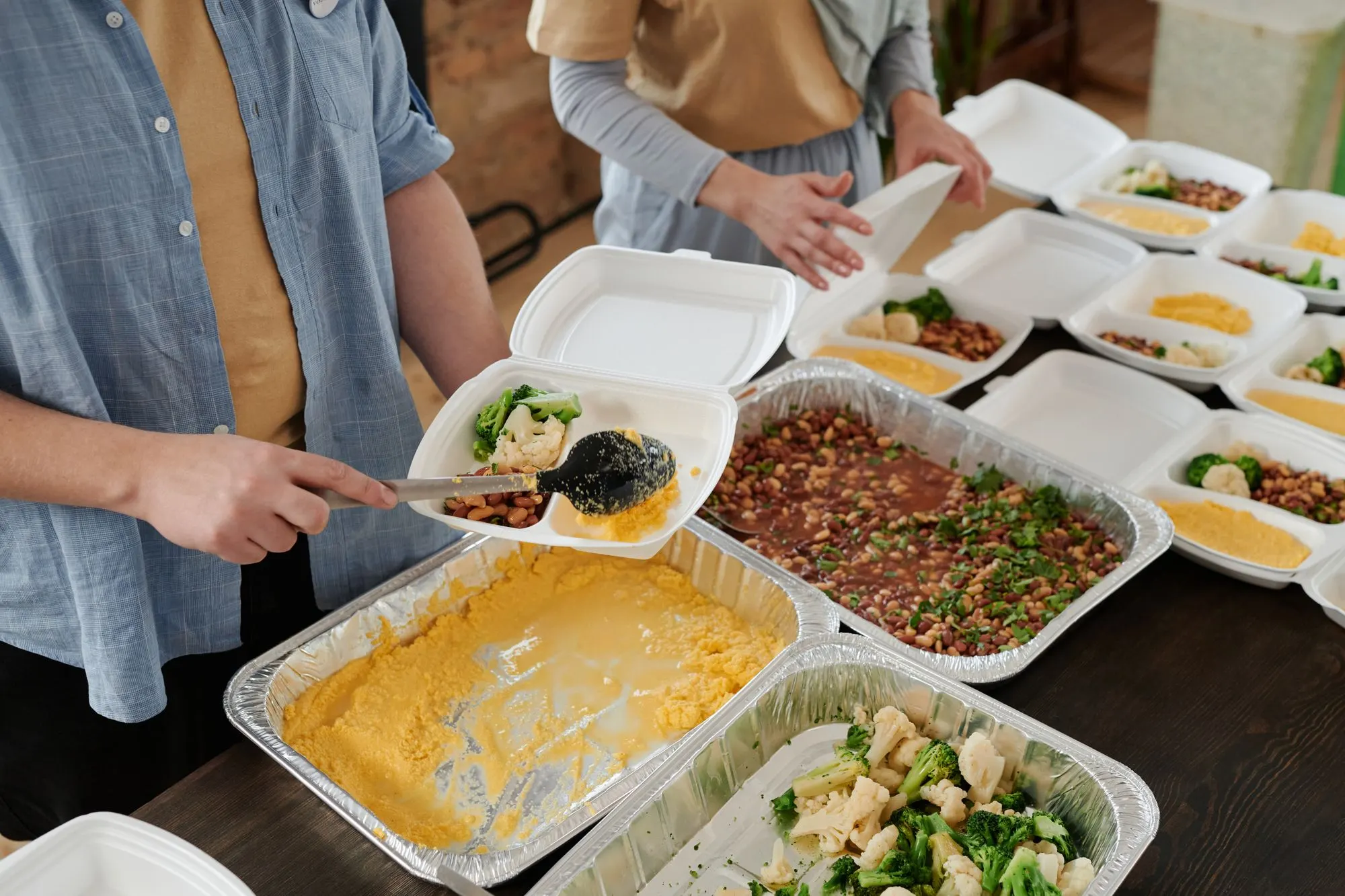
Hampers of staples on a schedule. Some ask for registration or ID, and the plan says so up front.
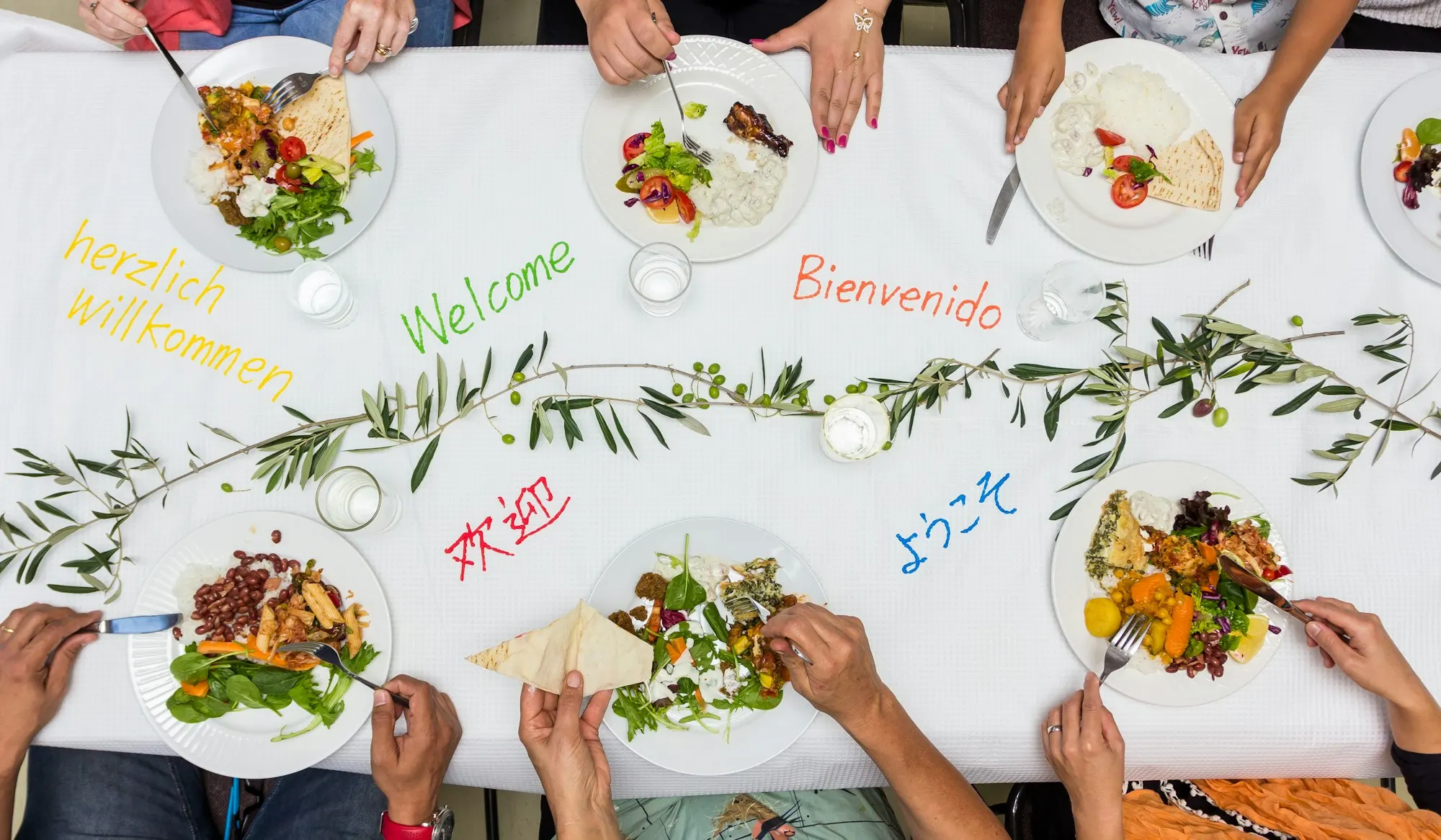
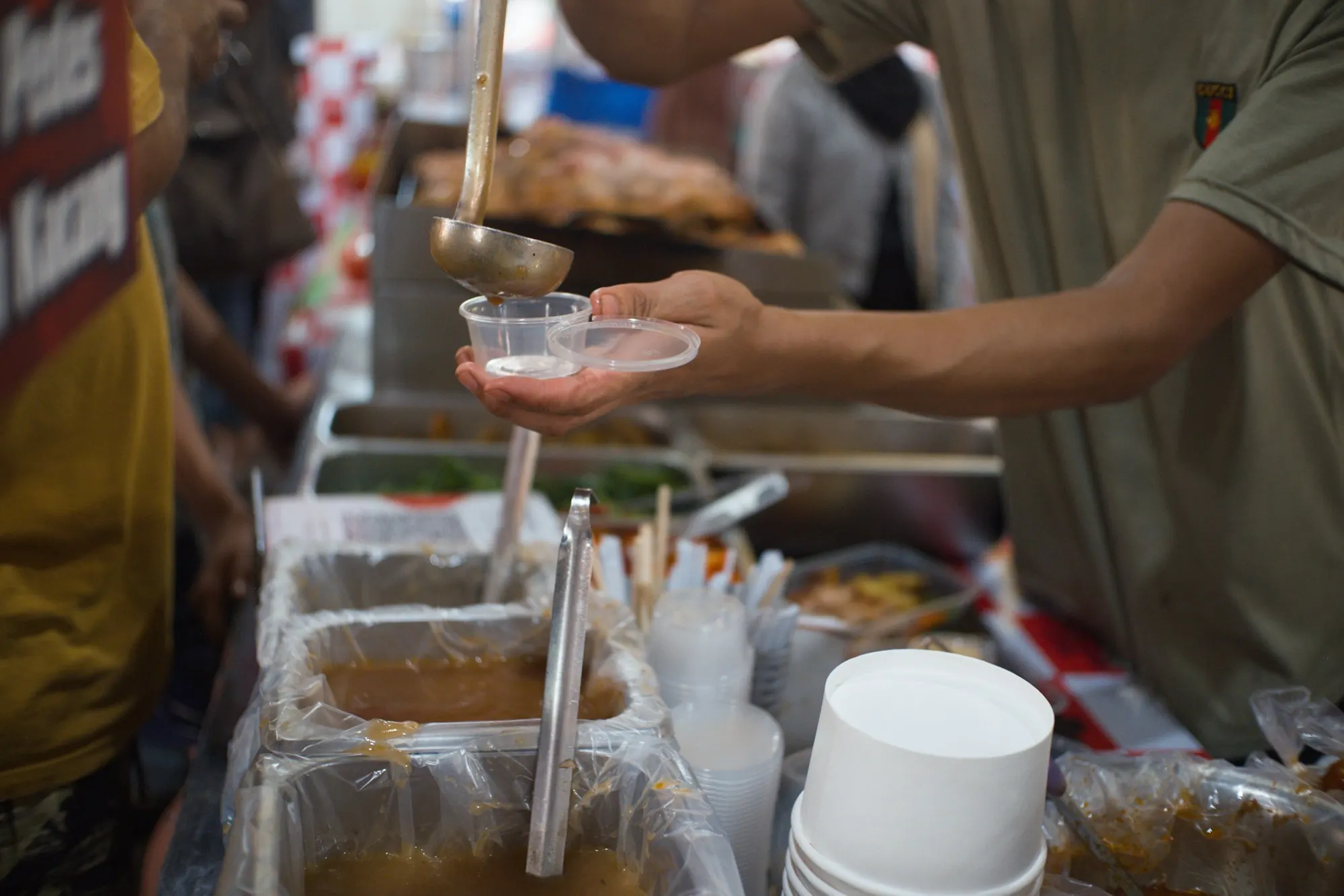
Hot meals at set times. No kitchen needed.
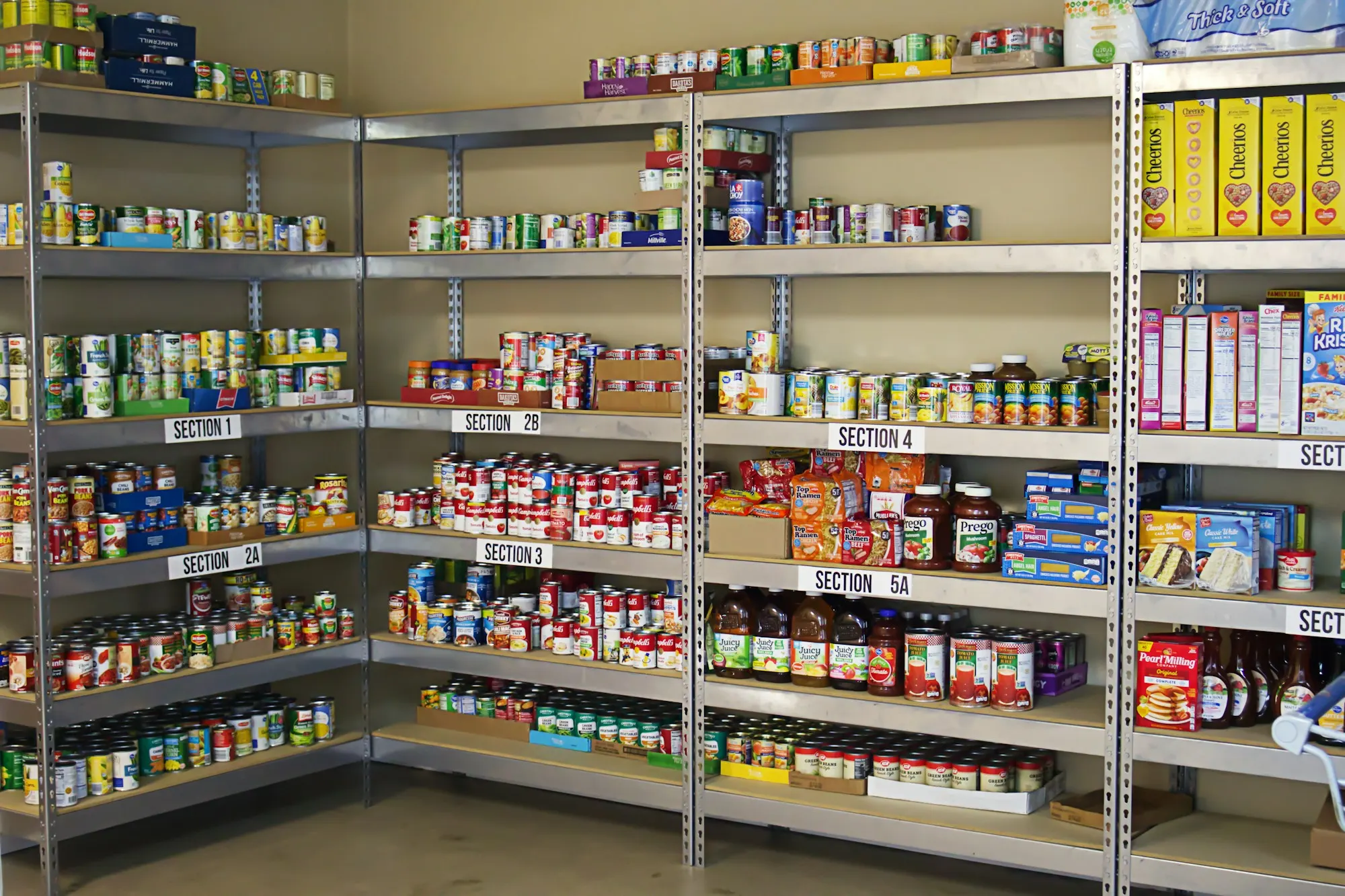
Walk-in shelves of staples and bread.
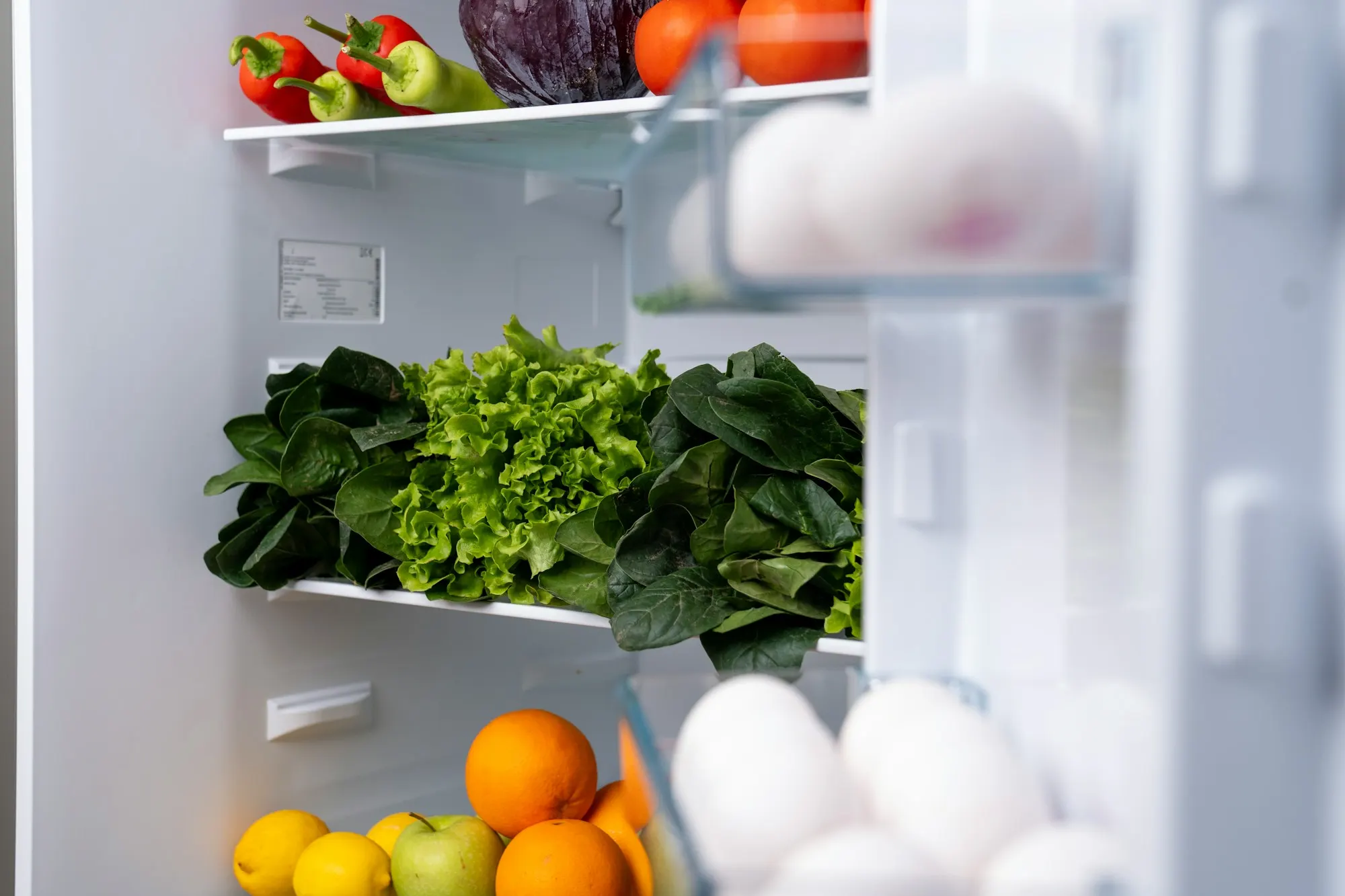
Take what you need. Stock changes by the hour.
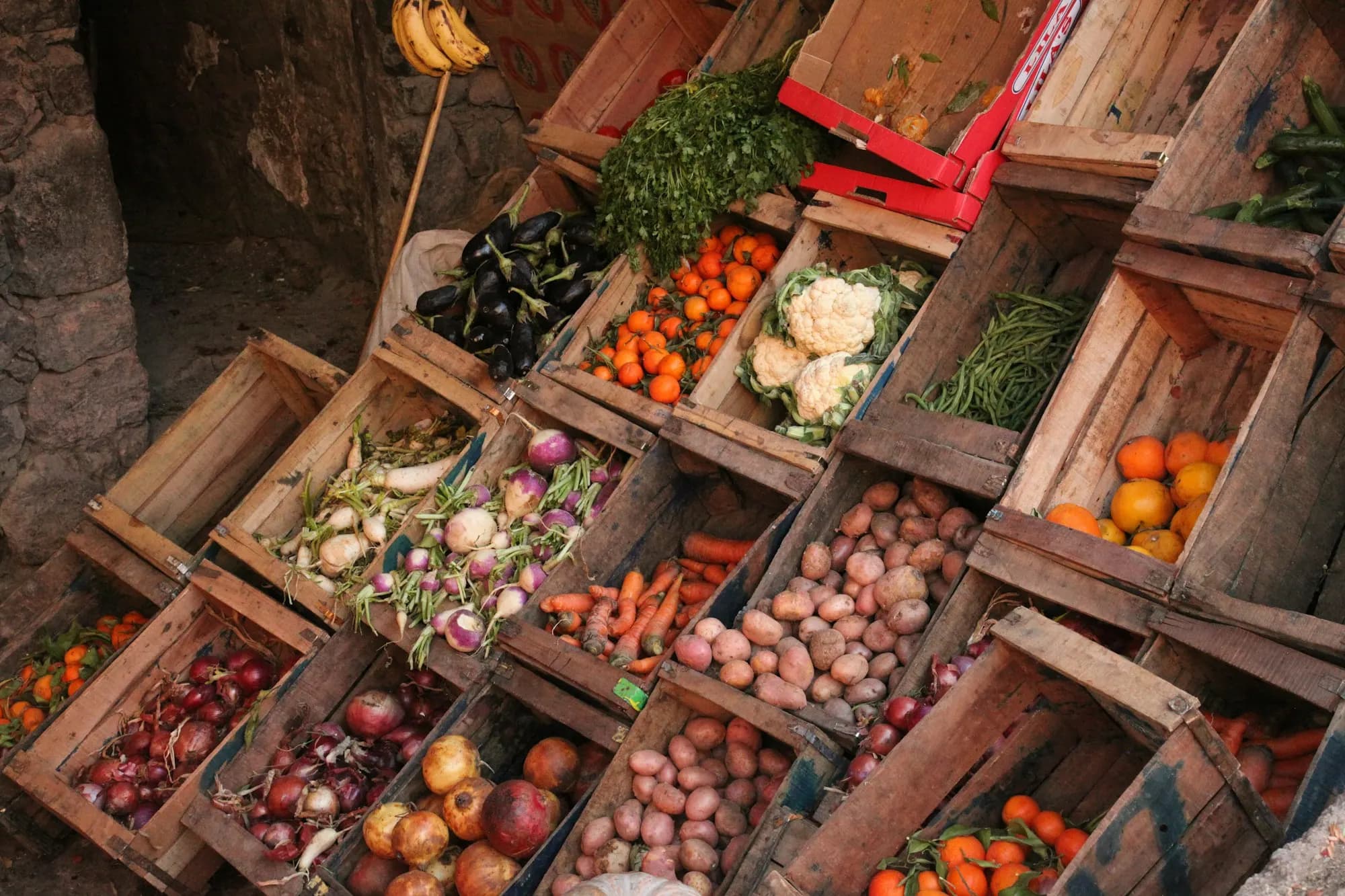
Fresh fruit and vegetables, often weekly.
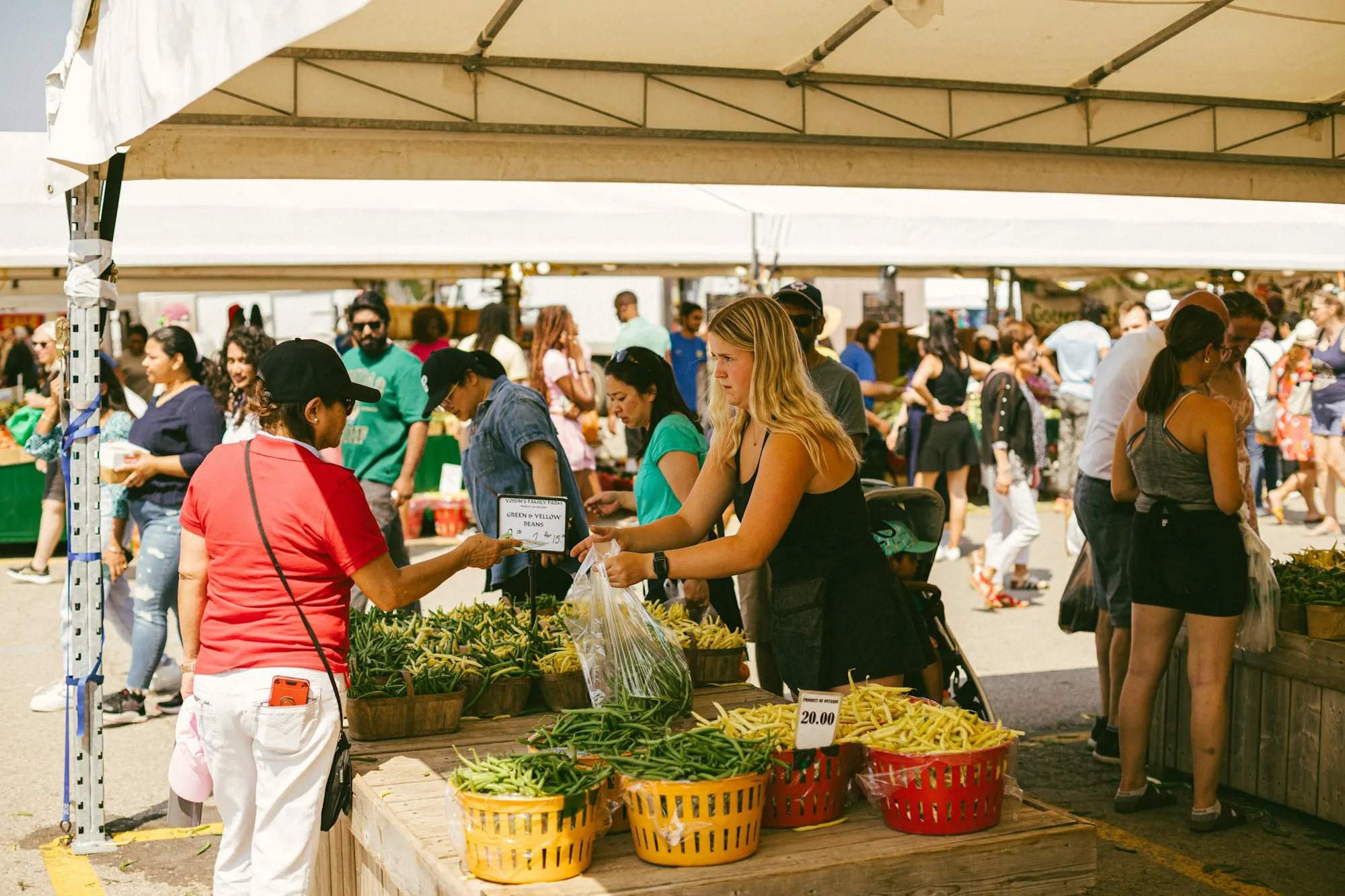
Where a small basket goes further. The budget planner prices staples here.
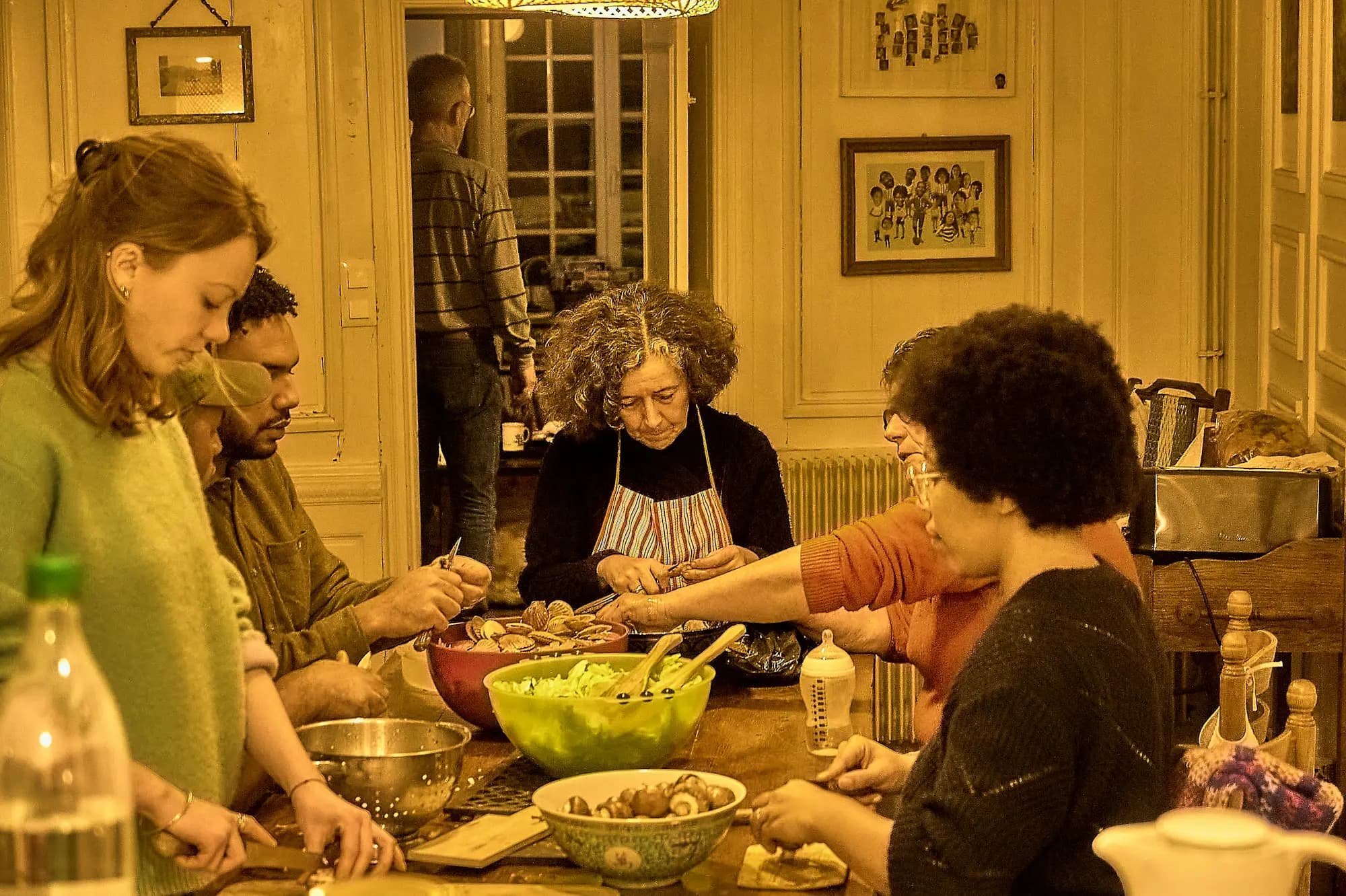
Cook together, take some home.

Campus pantries and meal cards.
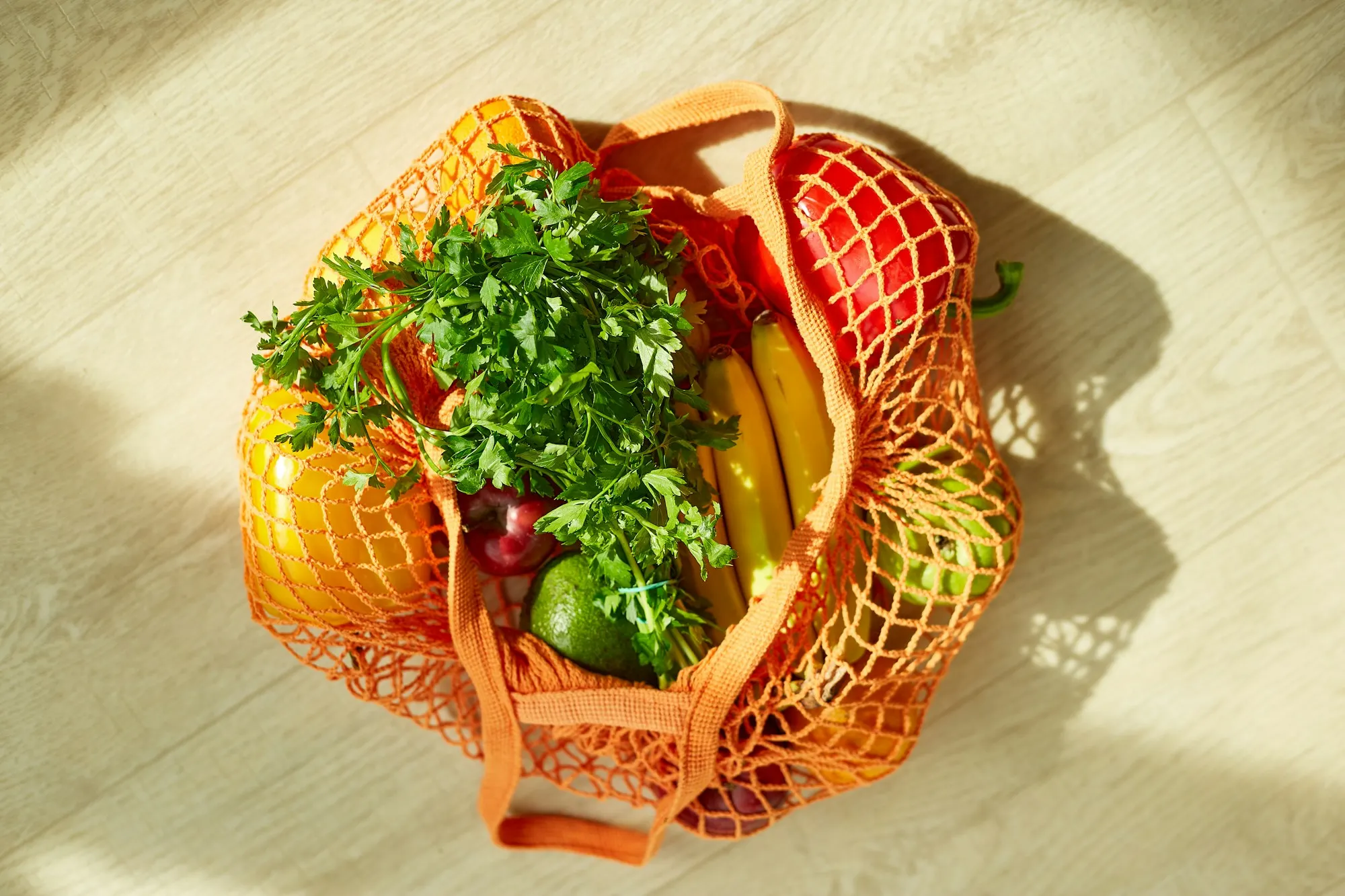
Grocery stores are included too, for the paid part of a plan. Photographs are illustrative, not the listed places.
Built for real weeks
The same short questions, but the answers change what comes back. A few of the situations the planner is designed around.

Illustrative stock photography.
What the plan does: Free stops come first. The grocery stop gets a basket of staples priced to fit, with the meals it makes.
What the plan does: The today route keeps only places listed as open, favours no appointment and no registration, and adds a backup.
What the plan does: Dried beans and raw rice drop out. Prepared meals, community fridges and no-cook staples move up.
What the plan does: Travel time is estimated for transit and walking, and longer trips rank lower instead of disappearing.
What the plan does: Household size changes the basket. Dietary needs filter listings and groceries, as preferences rather than medical advice.
What the plan does: Campus programs are in the listings alongside everything else. We never ask if you are a student, so campus-only programs appear as options to check.

Illustrative stock photography. Not Platepath partners.
For community organisations
Food banks, pantries, meal programs, campuses and municipalities: we are looking for a first community pilot. No partners are listed yet, and we won't pretend otherwise.
Keep your listing current
Hours, closures, eligibility and what to bring, said once and shown everywhere a plan uses it.
Verified, and labelled that way
Listings confirmed by the organisation carry that status and a last-checked date.
Route people to a backup
When you run short or close early, visitors are pointed somewhere else instead of a locked door.
Why Platepath exists
Most communities already have food banks, pantries, free meals and low-cost markets. Today, someone who needs food this week has to stitch them together alone, usually on a phone, often while hungry.
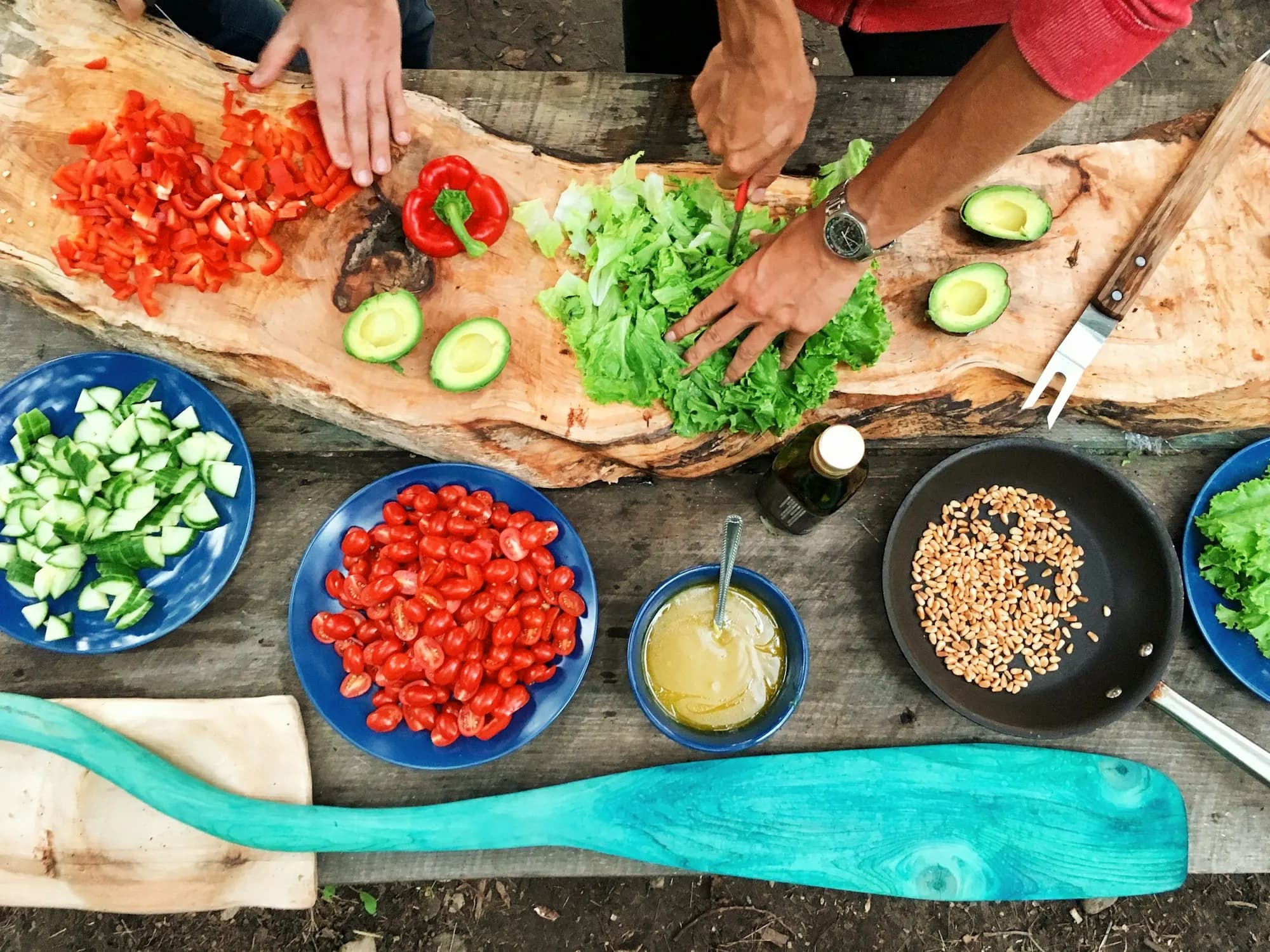
Platepath is a community prototype. It does not hand out food. It cuts down the searching, calling and guessing between a person and food that is already there. The listings are fictional while we work toward a real pilot.
About the projectA few questions, a realistic plan, and a backup if things change. No account needed. Make one only if you want your plan on another device.
Need food today?