About Platepath
Finding food shouldn't require knowing where to look.
Food insecurity is a food problem. It is also, and more fixably, a navigation problem. Platepath is a community project working on the second part.
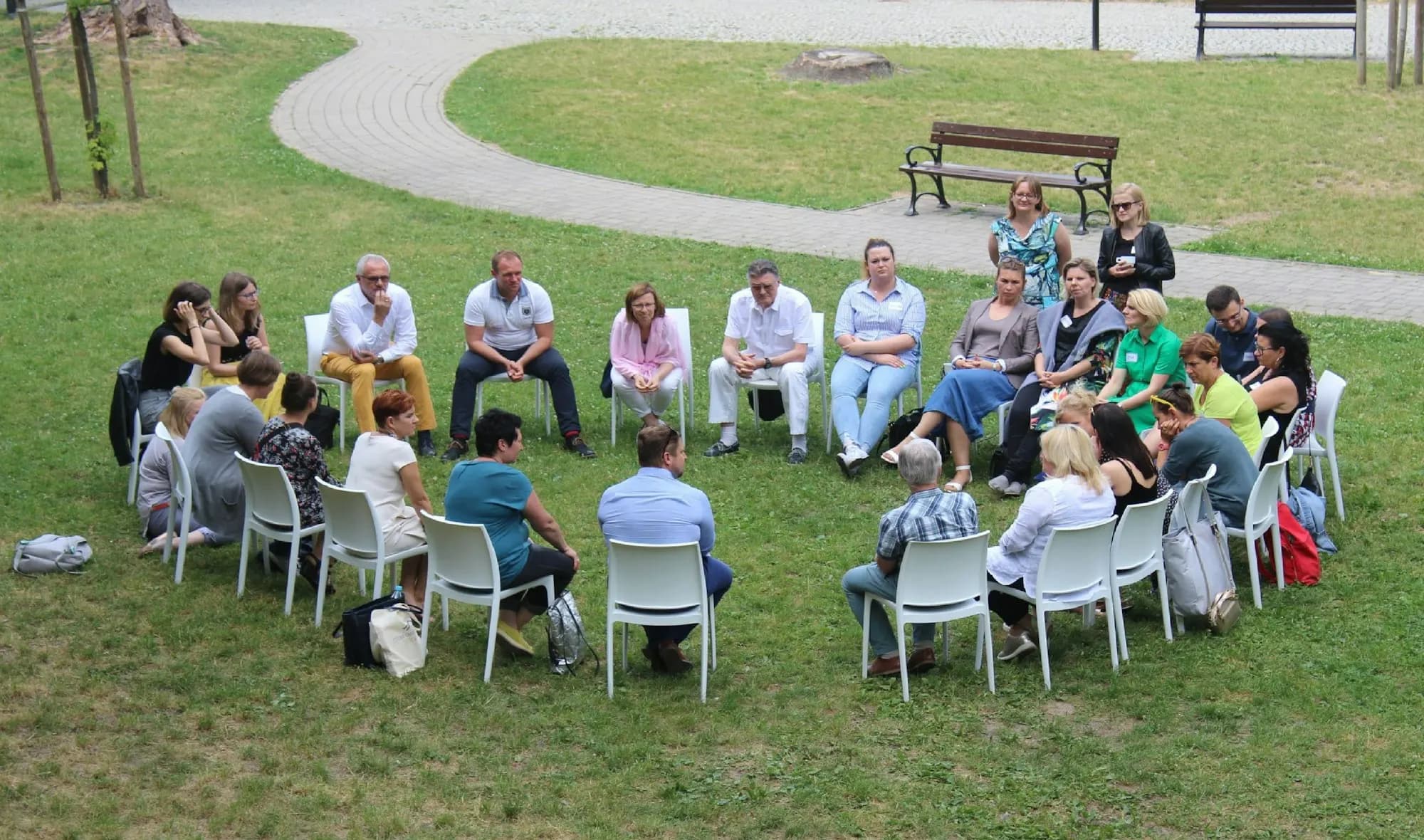
Illustrative stock photography. Not Platepath staff, volunteers or partners.
Where the project honestly stands
- Stage
- Community prototype
- Listings
- Fictional demo data for Harbourview, a city that does not exist
- Impact numbers
- None yet, so none are shown
- Next step
- Conversations with pantry visitors, volunteers and staff
Why it exists
The resources exist. The navigation doesn't.
In most places the help is already there: food banks, pantries, community meals, produce programs, low-cost markets, student programs. What is missing is a single, current, honest way to see which of them fit a particular person's week.
Today that means several websites, phone calls one at a time, eligibility rules in a PDF, and guesswork about transit and opening hours. Usually on a phone, often while hungry.
Platepath doesn't create food. It cuts down the searching, calling and guessing that stands between someone and food that is already there.
Why should someone already worrying about food also have to become an expert in a dozen disconnected systems?
Principles
What we hold ourselves to.
Dignity
Nobody has to explain why they need food. We don't ask about income, status or circumstances, and we don't sort people into categories.
Privacy by default
No account needed. Planner answers stay on your device unless you choose to sync them. Nothing is sold, and there are no ad trackers.
Honesty about data
Posted hours are called posted hours. Estimates are called estimates. Demo listings are labelled as demo, every time.
Accessible to everyone
Built for a small phone, one hand, a keyboard or a screen reader, in bright light and with motion turned off.
Plans that survive real life
A plan has to survive a bus schedule, a closed door and a kitchen with only a kettle. If it can't, it isn't a plan.
How we work
Listen before scaling.
The order matters. The tool is downstream of what people tell us, so the next step is listening, not adding features.
Map the gapDone
Write down what someone has to do today to find food, step by step.
Build the smallest useful thingDone
A planner that turns a few answers into a plan, on clearly labelled demo data.
ListenNow
Talk with pantry visitors, volunteers and program staff about what goes wrong and what would help.
Pilot with partnersLater
Real, verified listings in one area, kept current by the organisations that run them.
RedesignLater
Change what needs changing, including the parts we were attached to.
Photo credits
The photographs, and who took them.
Every photograph on Platepath is licensed stock, used under the Unsplash or Pexels License. They are illustrative: none shows a Platepath listing, partner, volunteer or staff member.
48 photographs, served from this site. Thank you to the photographers who share their work.
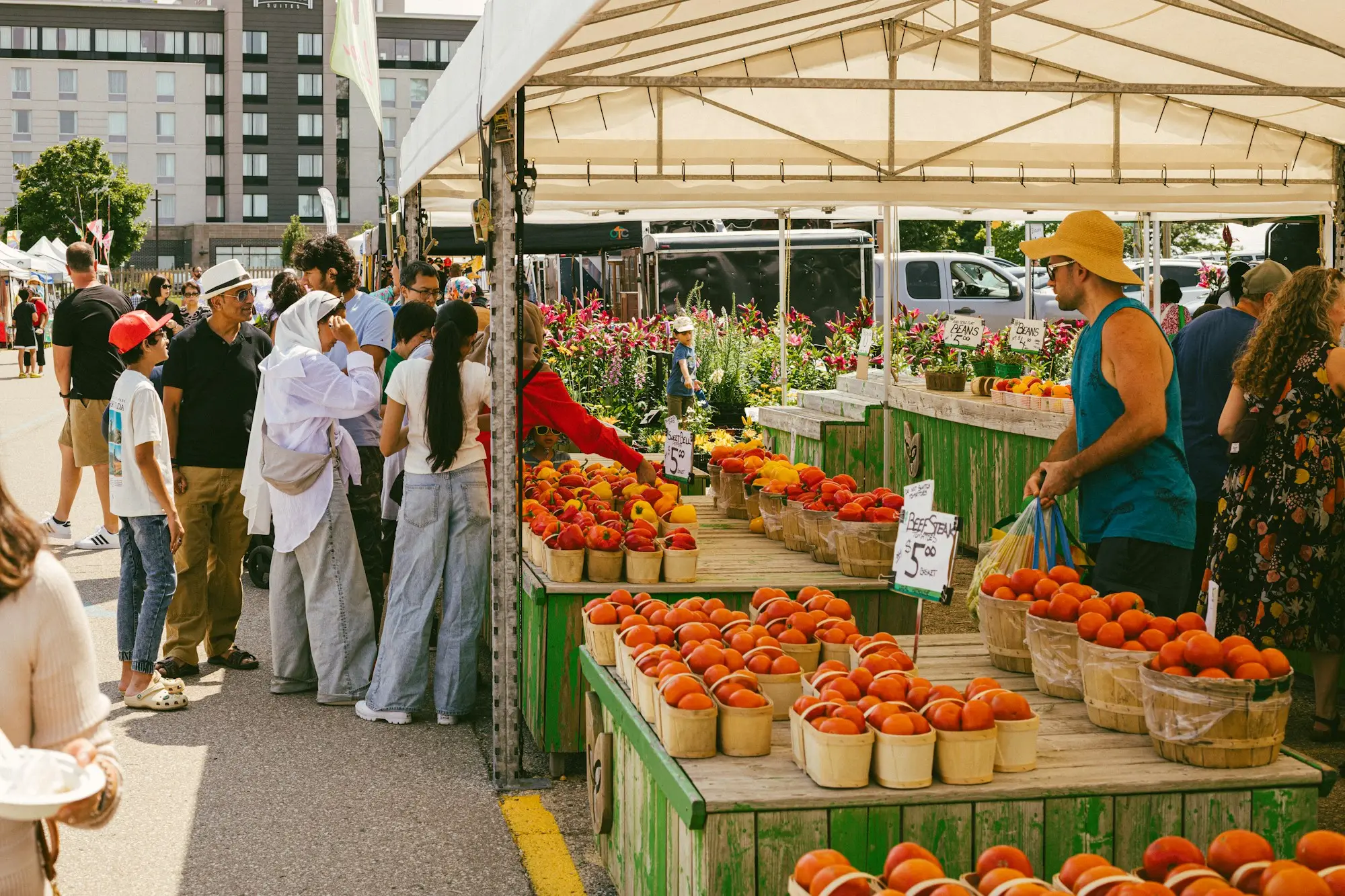
Shoppers browse baskets of tomatoes and sweet peppers under a canopy at a sunny outdoor farmers market
Jason Ng · Unsplash (opens in a new tab)
Unsplash License
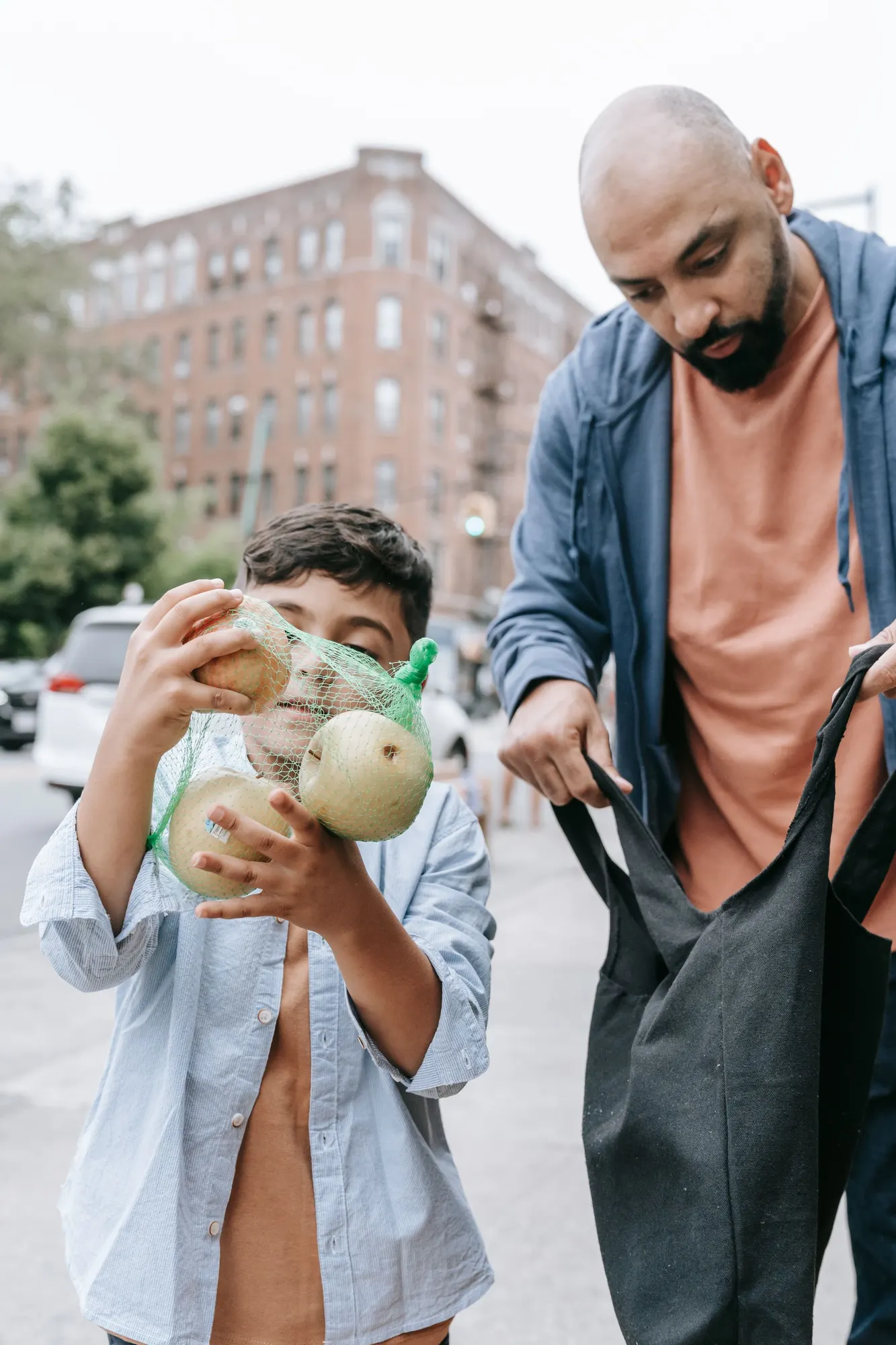
A father and son on a city sidewalk; the boy holds a net bag of onions while his father opens a reusable tote
Timur Weber · Pexels (opens in a new tab)
Pexels License
A server ladles hot soup into a small takeaway container at a busy food counter
Qeis Ismail · Unsplash (opens in a new tab)
Unsplash License

A person writing a list in a spiral notebook at a wooden table
Terrillo Walls · Unsplash (opens in a new tab)
Unsplash License
Two paper grocery bags holding apples, bananas, a cabbage and bread, seen from above on a wooden floor
Maria Lin Kim · Unsplash (opens in a new tab)
Unsplash License
Volunteers wearing lanyards sort canned goods, cooking oil and fruit at a table
Raj Tuladhar · Unsplash (opens in a new tab)
Unsplash License
Metal shelving stocked with canned goods, cereal and dry staples in a pantry storeroom
Jacob McGowin · Unsplash (opens in a new tab)
Unsplash License
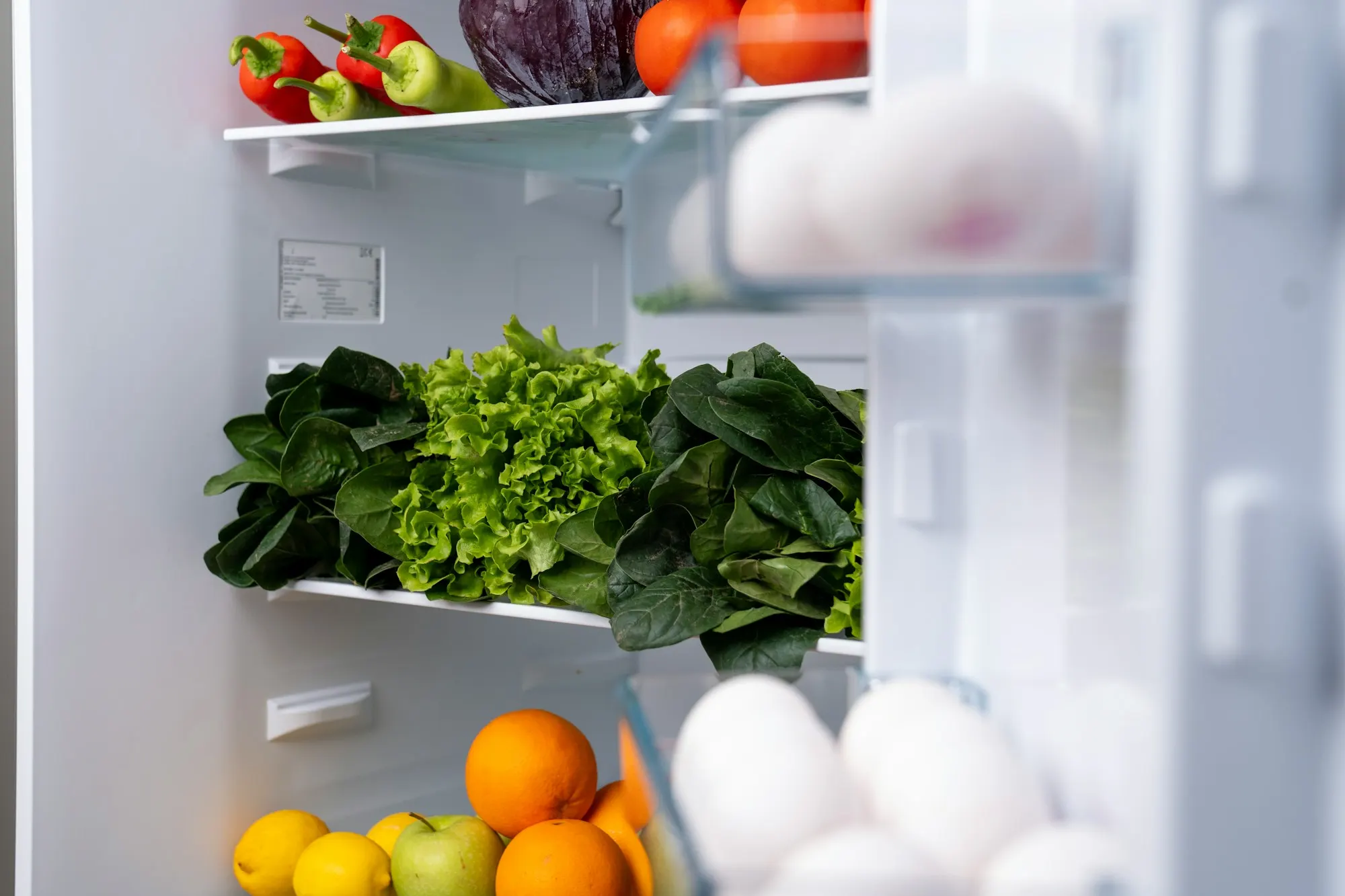
An open refrigerator stocked with leafy greens, peppers, eggs and citrus fruit
Onur Burak Akın · Unsplash (opens in a new tab)
Unsplash License
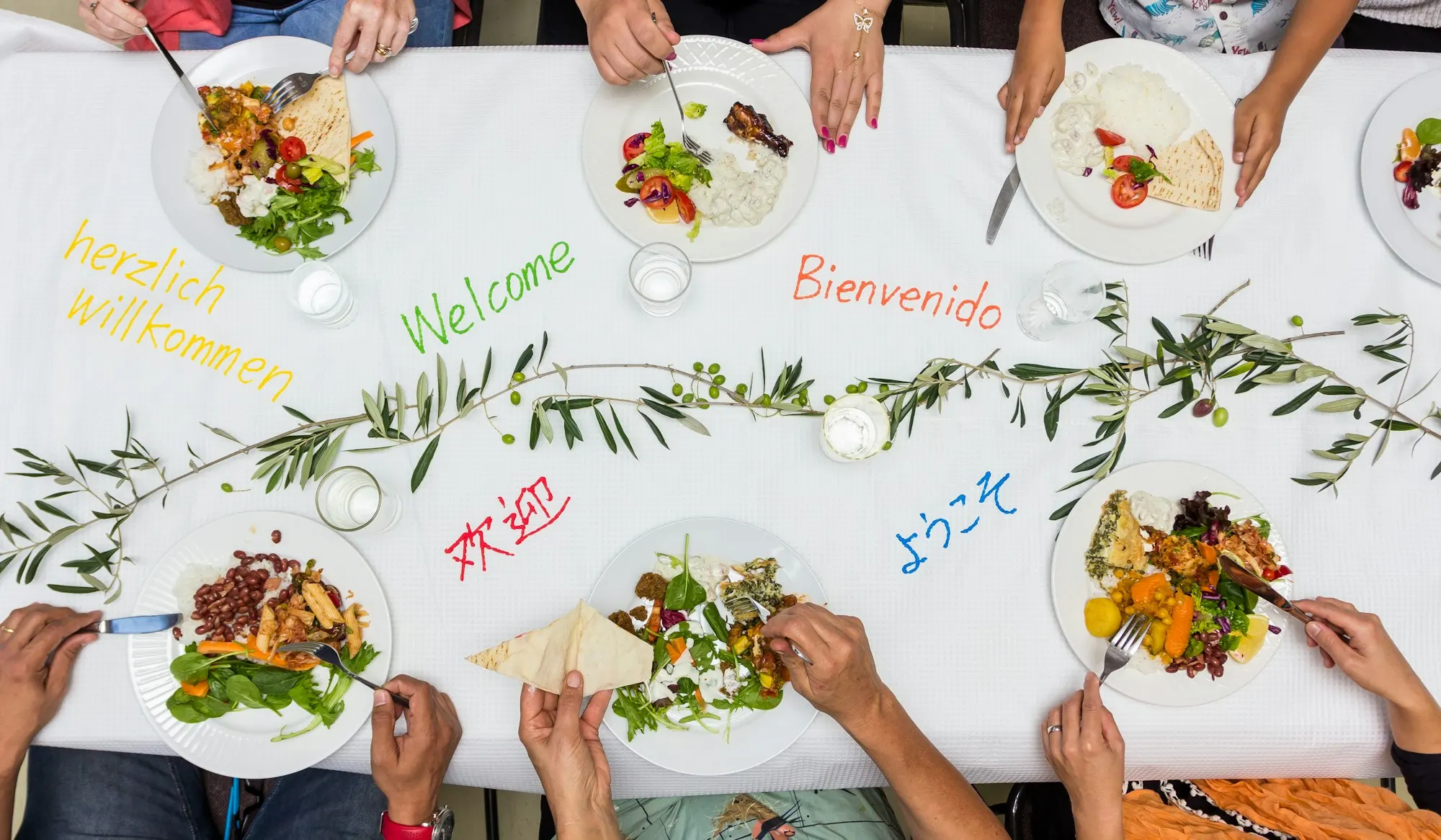
Top-down view of people sharing plates of salad and grains at a long table, with welcome written in several languages on the tablecloth
DJ Paine · Unsplash (opens in a new tab)
Unsplash License
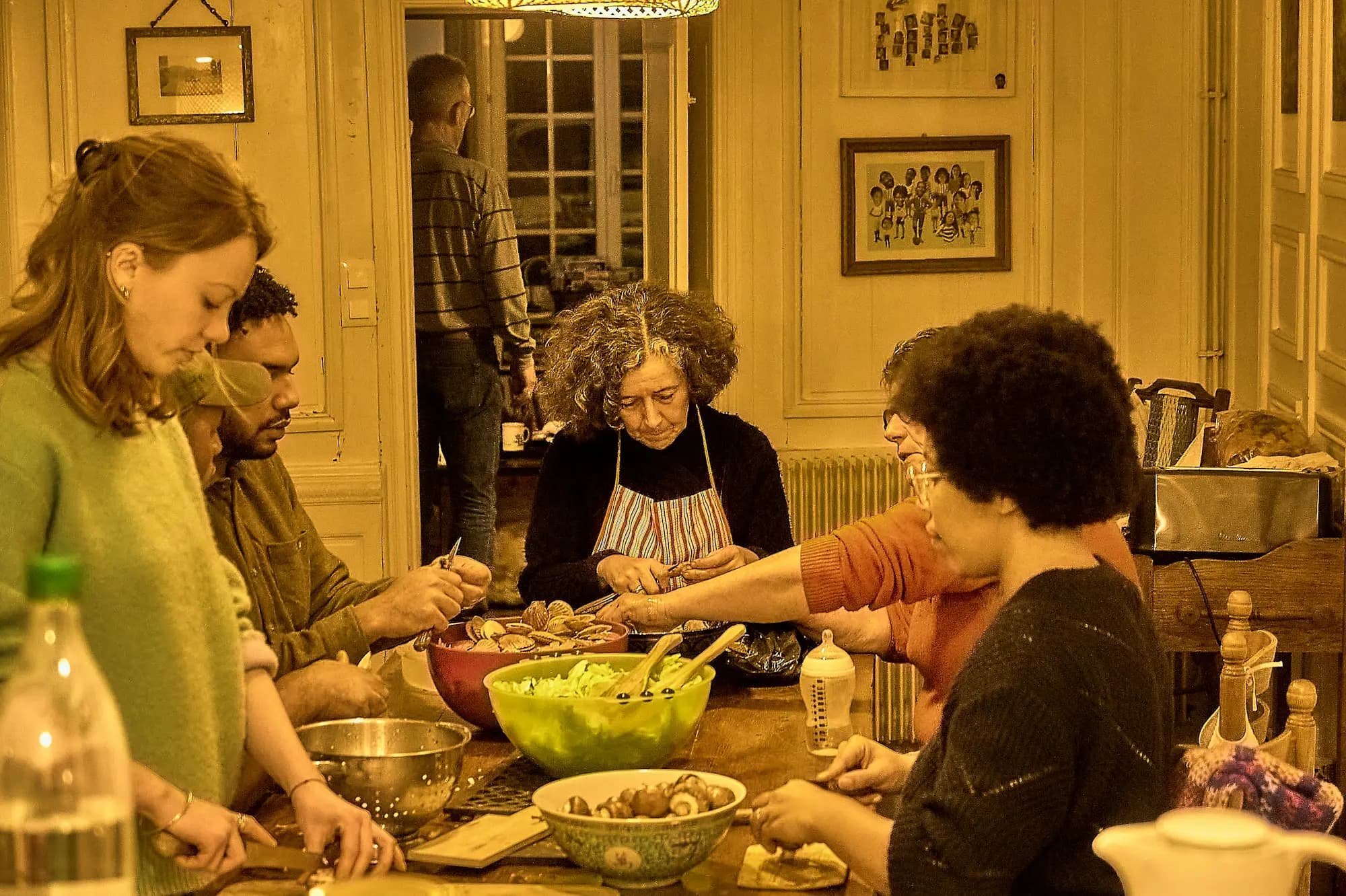
A group of people chop vegetables and prepare food together around a kitchen table
Kwami Fattah Al Sissi · Unsplash (opens in a new tab)
Unsplash License
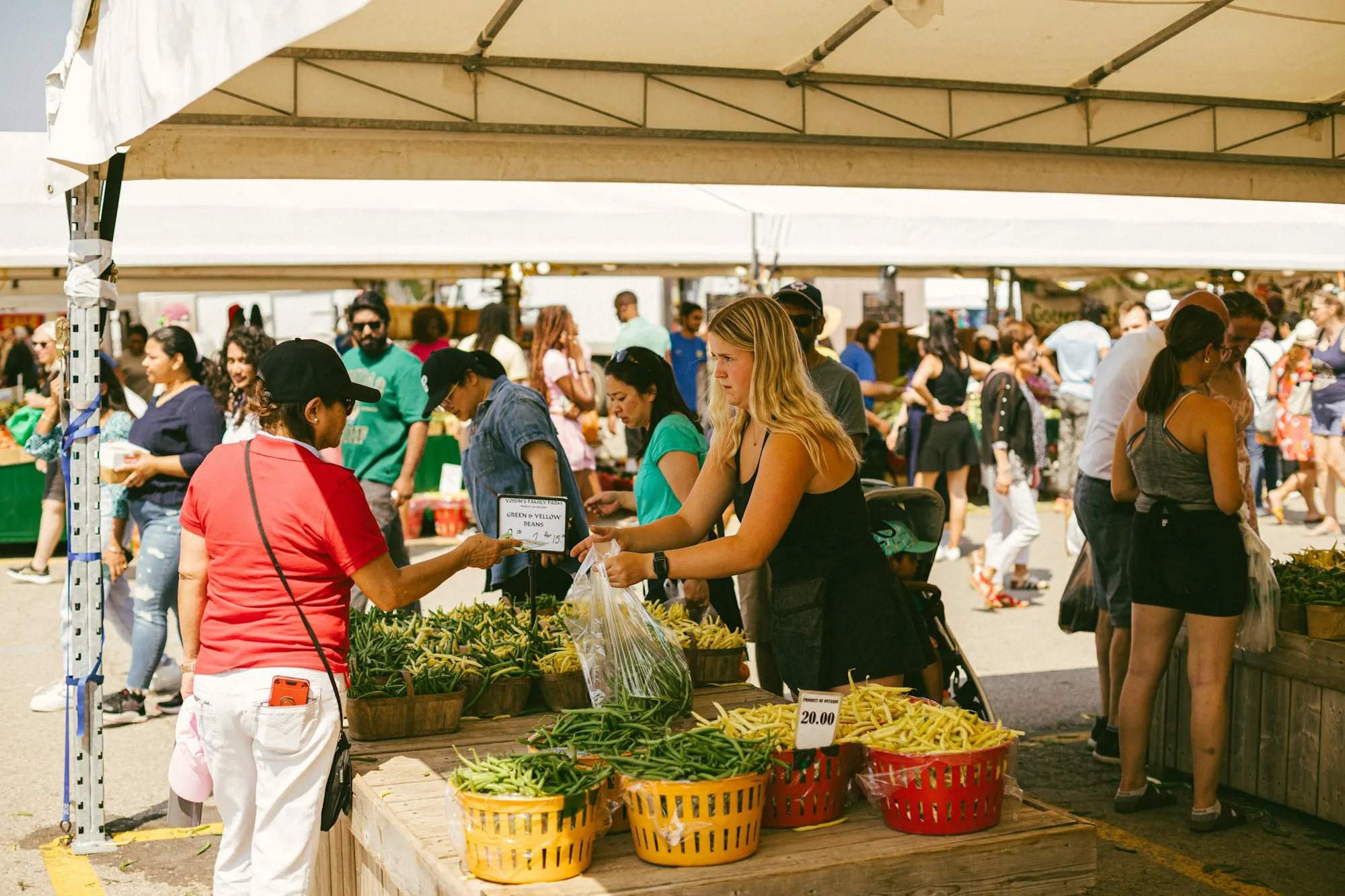
Shoppers pick green beans from baskets at a stall in a busy outdoor market
Jason Ng · Unsplash (opens in a new tab)
Unsplash License
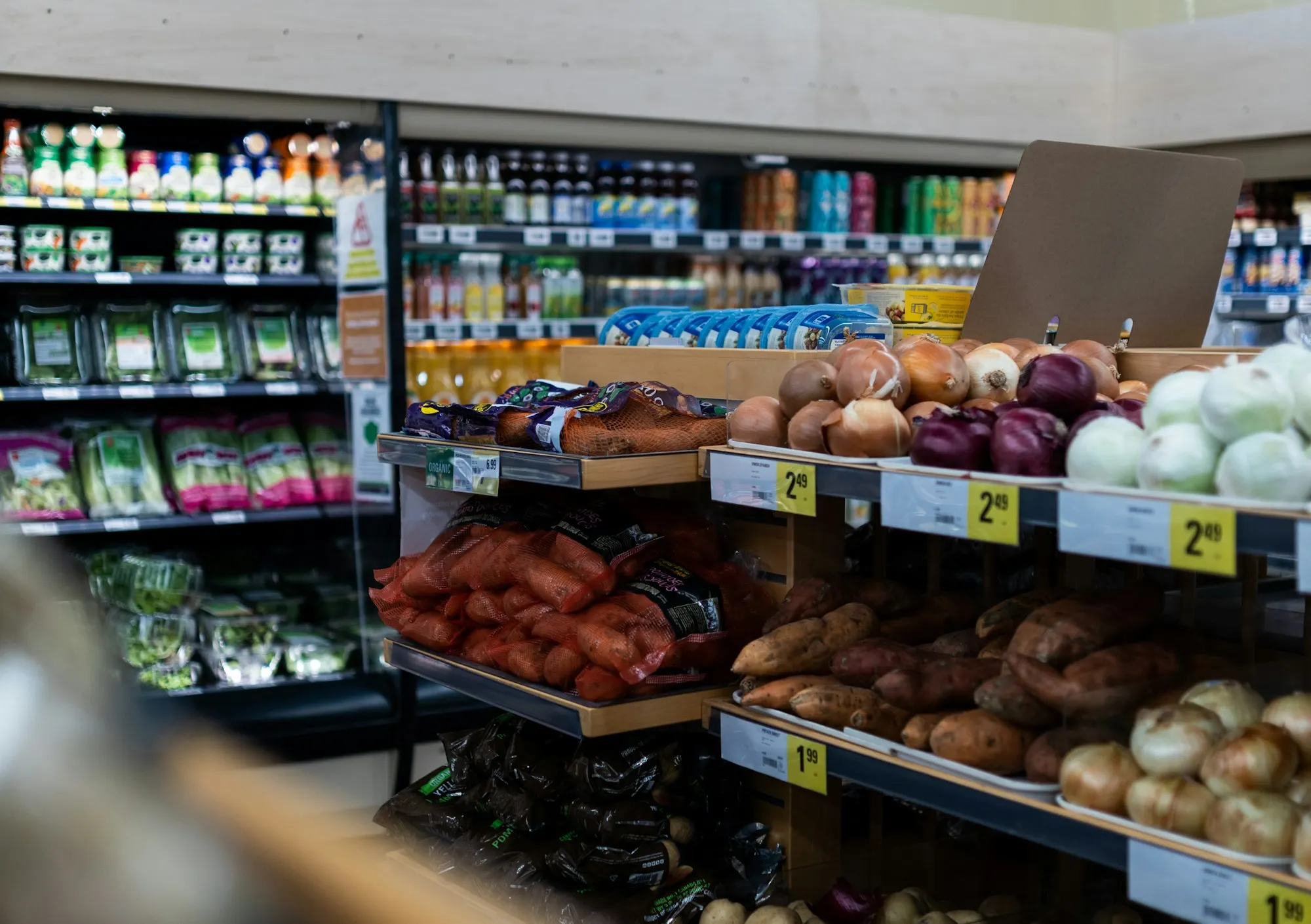
Shelves of onions, sweet potatoes and packaged greens with price tags in a small grocery store
Dillon Kydd · Unsplash (opens in a new tab)
Unsplash License
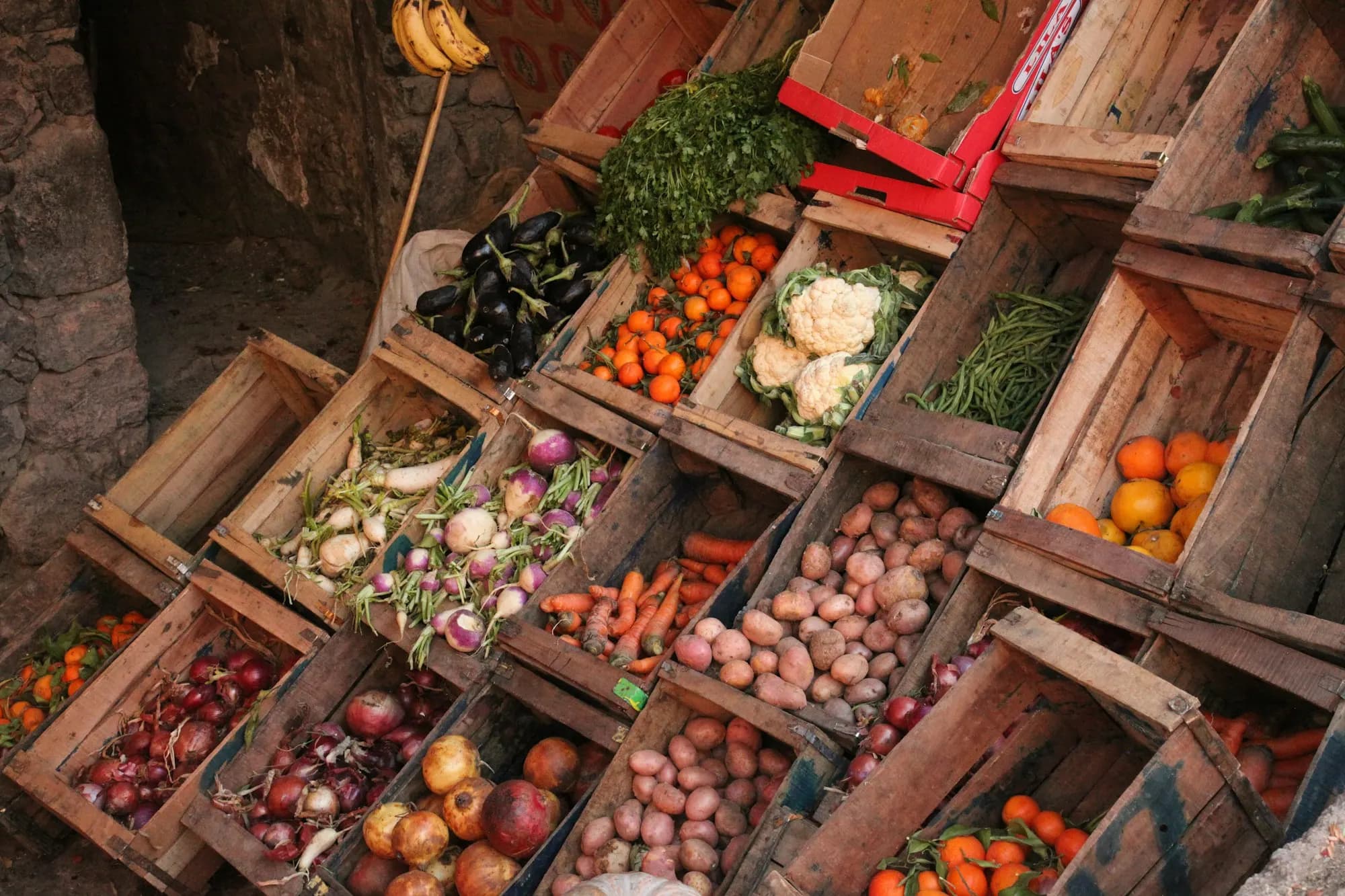
Wooden crates of onions, potatoes, carrots, cauliflower and oranges stacked at a produce stall
Jennifer Yung · Unsplash (opens in a new tab)
Unsplash License
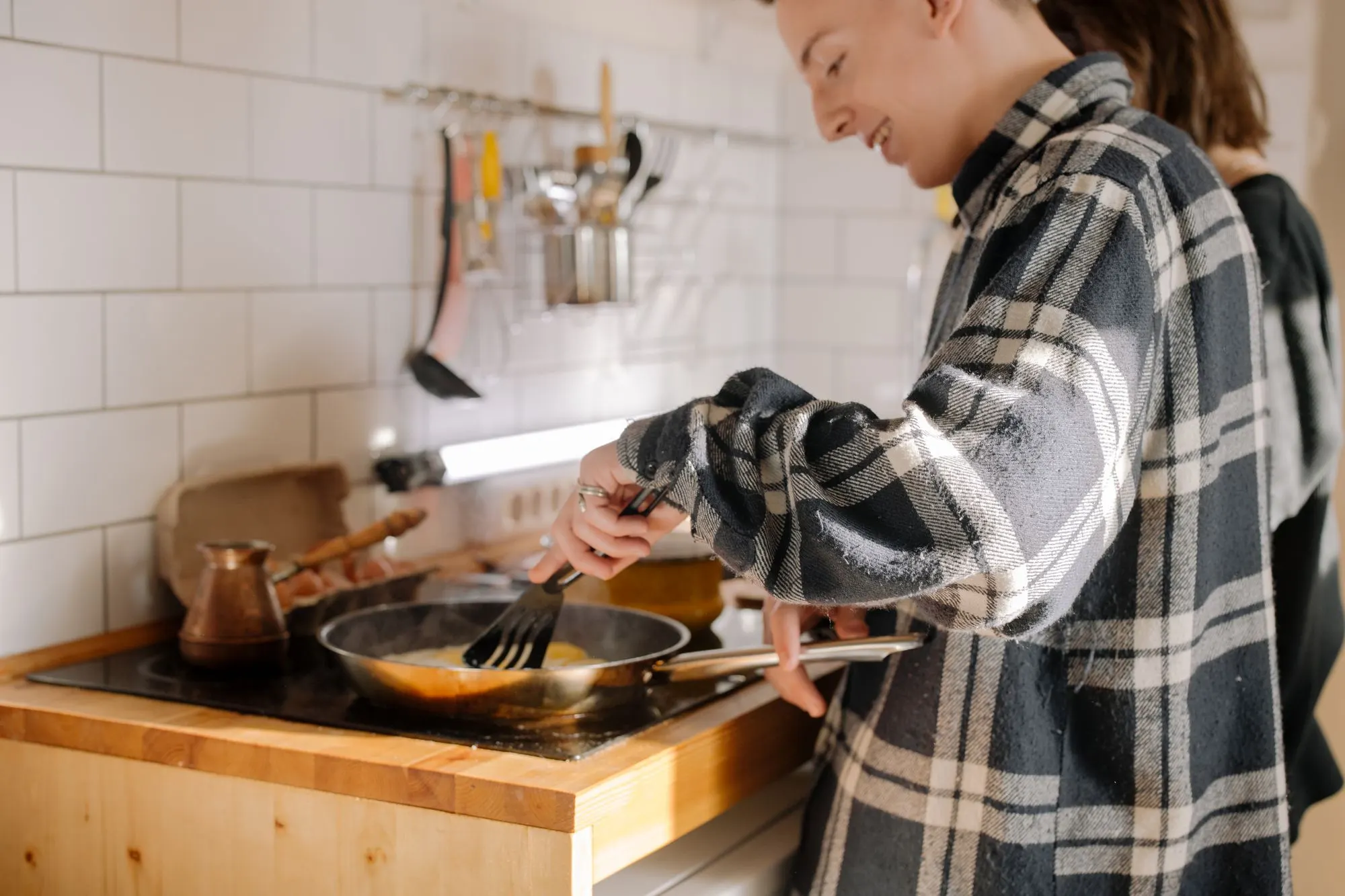
A young man cooks eggs in a frying pan in a small apartment kitchen while a friend looks on
cottonbro studio · Pexels (opens in a new tab)
Pexels License
People sit in a circle of chairs on a lawn for an outdoor community gathering
Dorota Trzaska · Unsplash (opens in a new tab)
Unsplash License
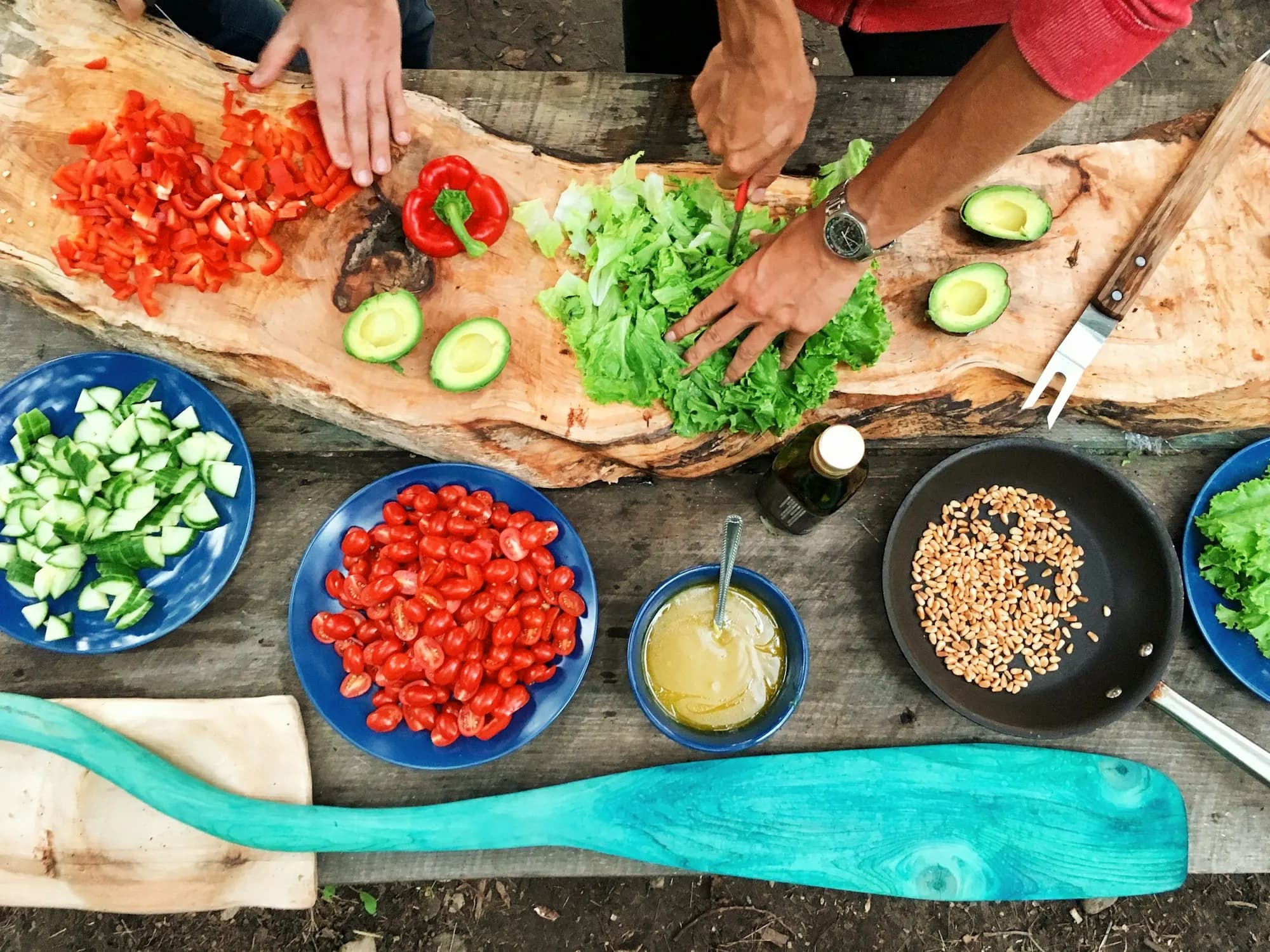
Hands chop red peppers and lettuce on a wooden board surrounded by bowls of cut vegetables
Maarten van den Heuvel · Unsplash (opens in a new tab)
Unsplash License
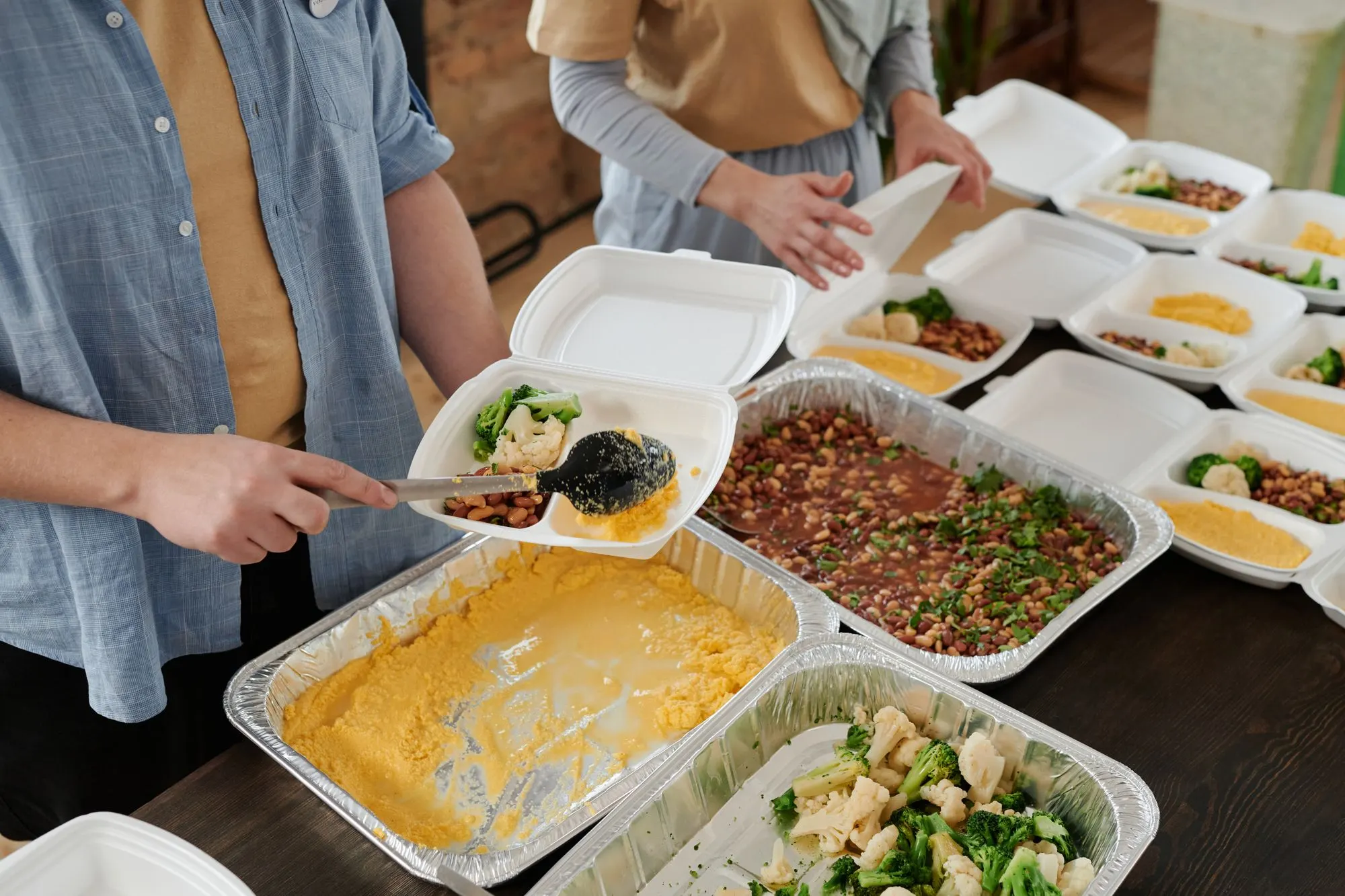
Volunteers portion beans, vegetables and polenta into takeaway meal containers
Julia M Cameron · Pexels (opens in a new tab)
Pexels License

Volunteers at an outdoor food distribution, with tables and pallets of canned goods and a delivery truck behind
Caleb Oquendo · Pexels (opens in a new tab)
Pexels License
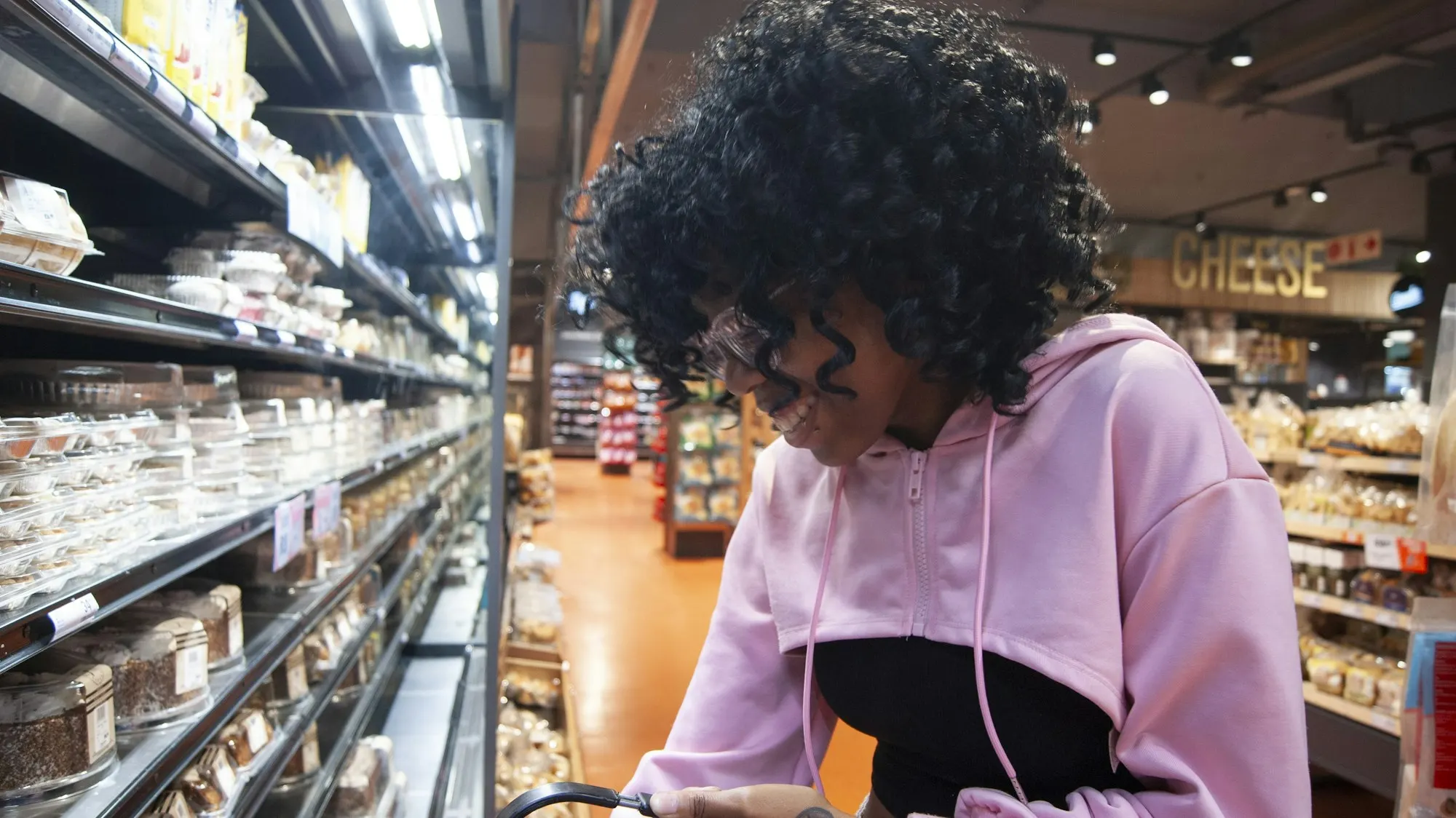
A young woman checks her phone while shopping in a grocery store aisle
ANYA RICHTER · Unsplash (opens in a new tab)
Unsplash License
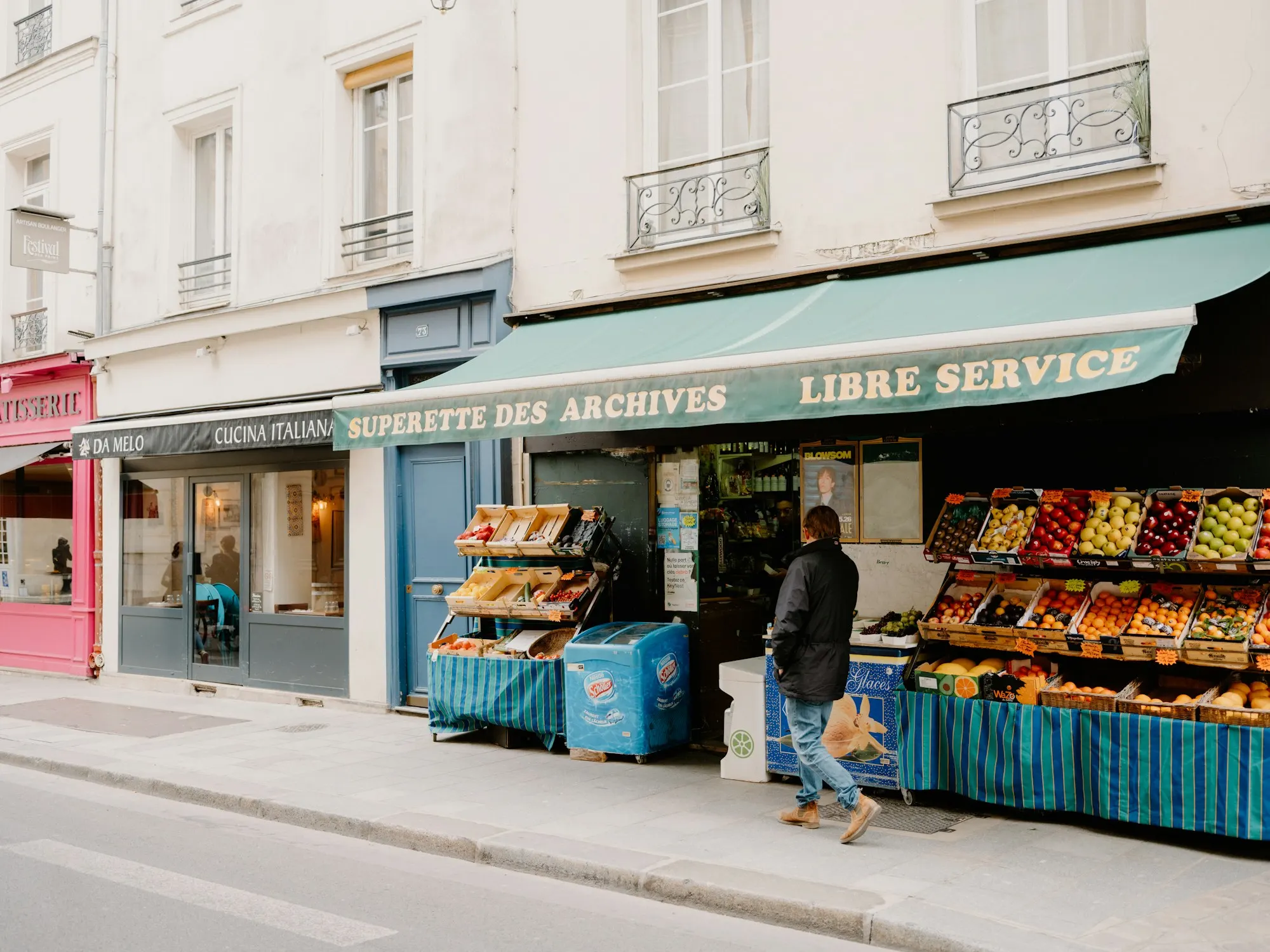
A man walks past a small corner grocery with fruit and vegetable stands on a quiet city street
Annie Spratt · Unsplash (opens in a new tab)
Unsplash License
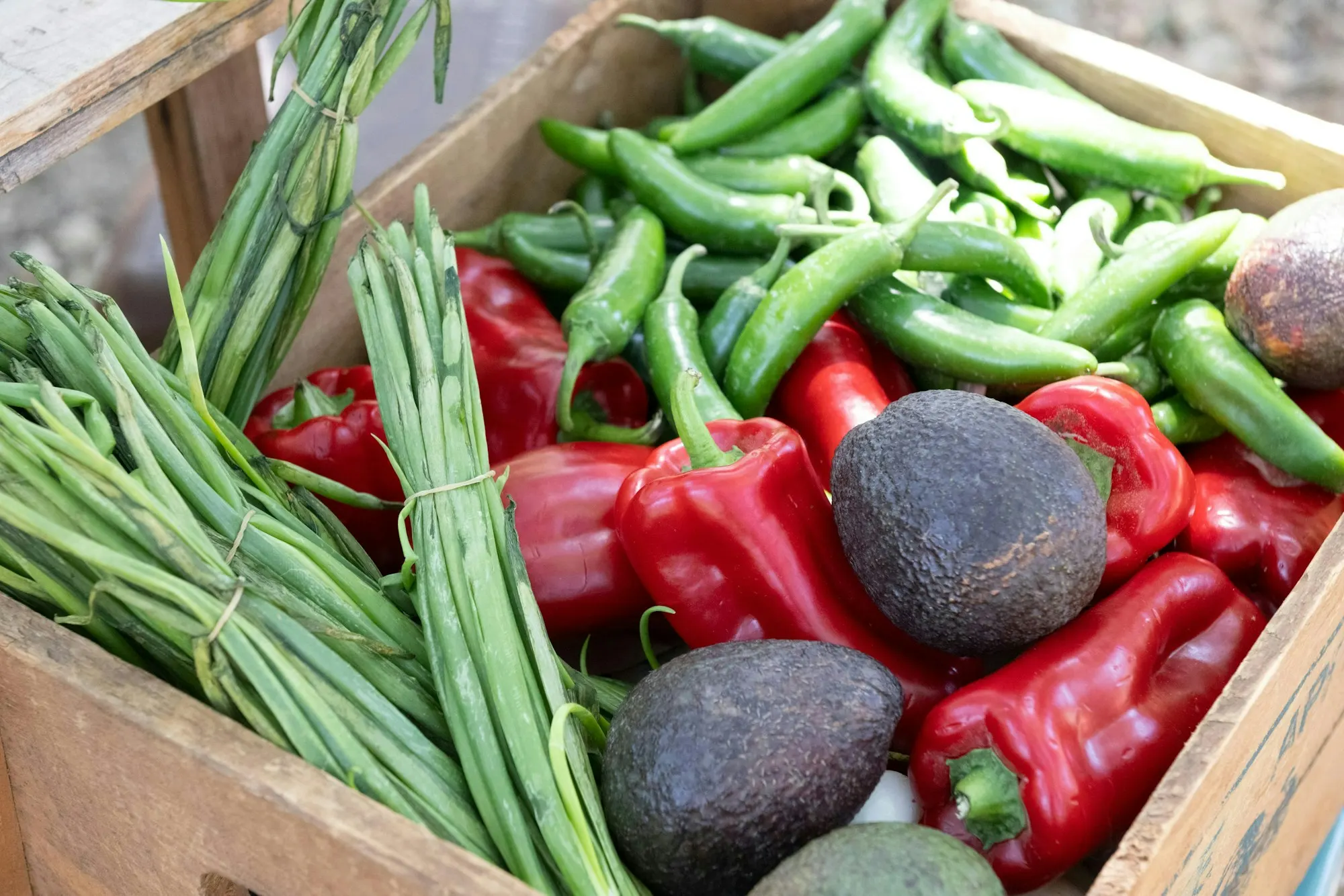
Close-up of red peppers, green chillies, runner beans and avocados in a wooden crate
Snappr · Unsplash (opens in a new tab)
Unsplash License
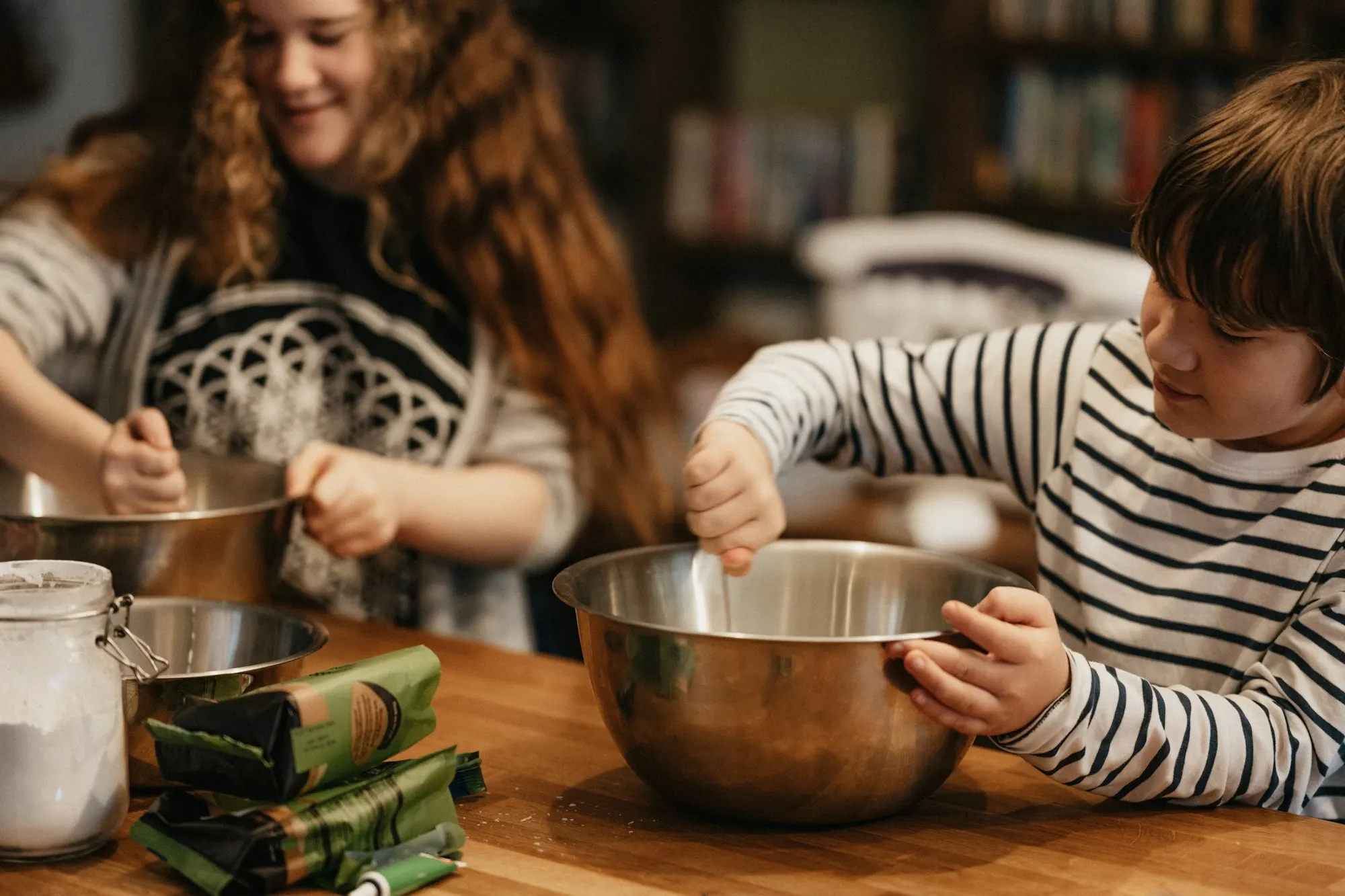
Two children mix ingredients in steel bowls at a wooden kitchen counter
Annie Spratt · Unsplash (opens in a new tab)
Unsplash License
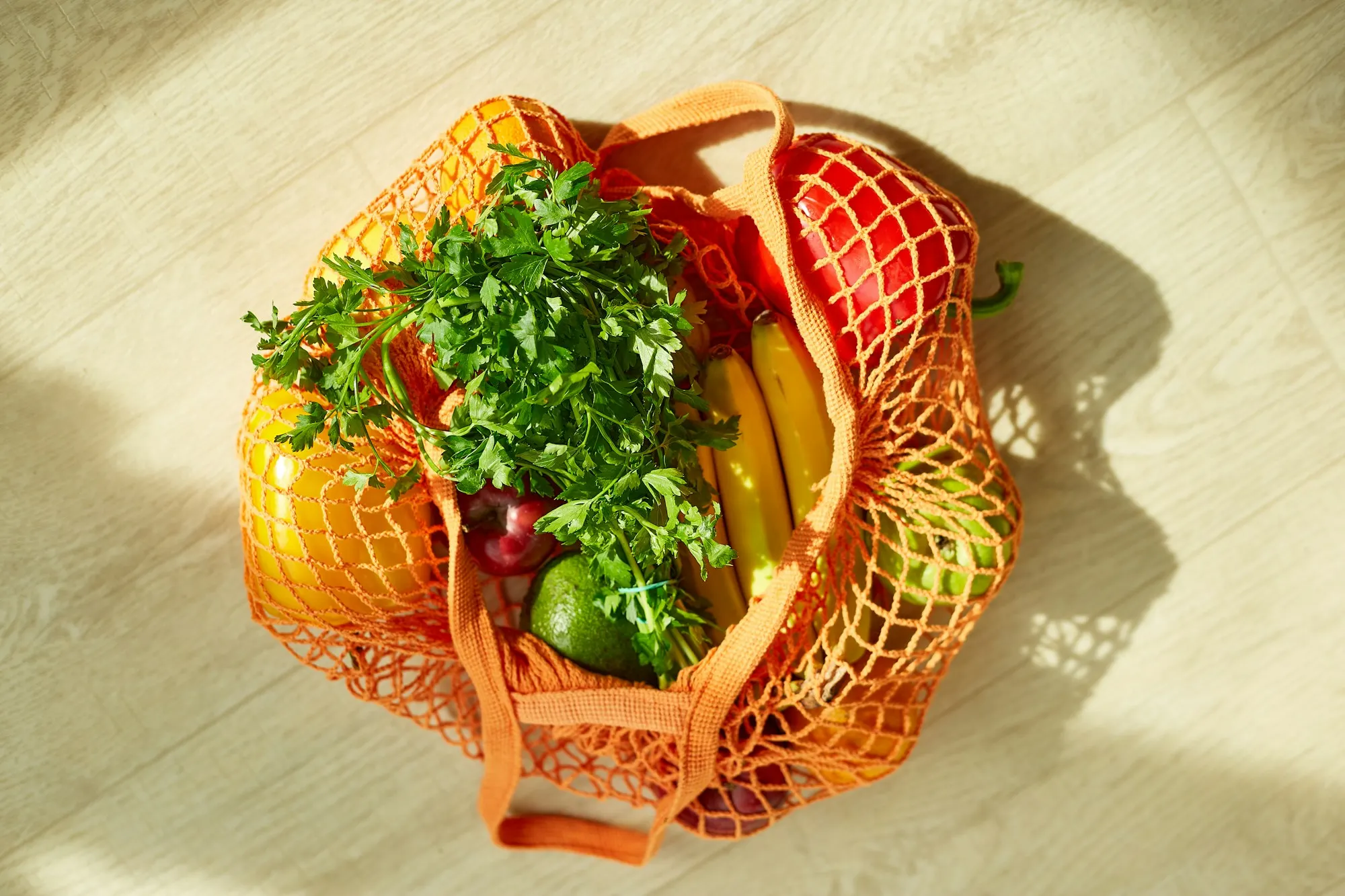
An orange mesh shopping bag filled with herbs, bananas, peppers and apples, lying in sunlight on a wooden floor
Illia Bondar · Unsplash (opens in a new tab)
Unsplash License
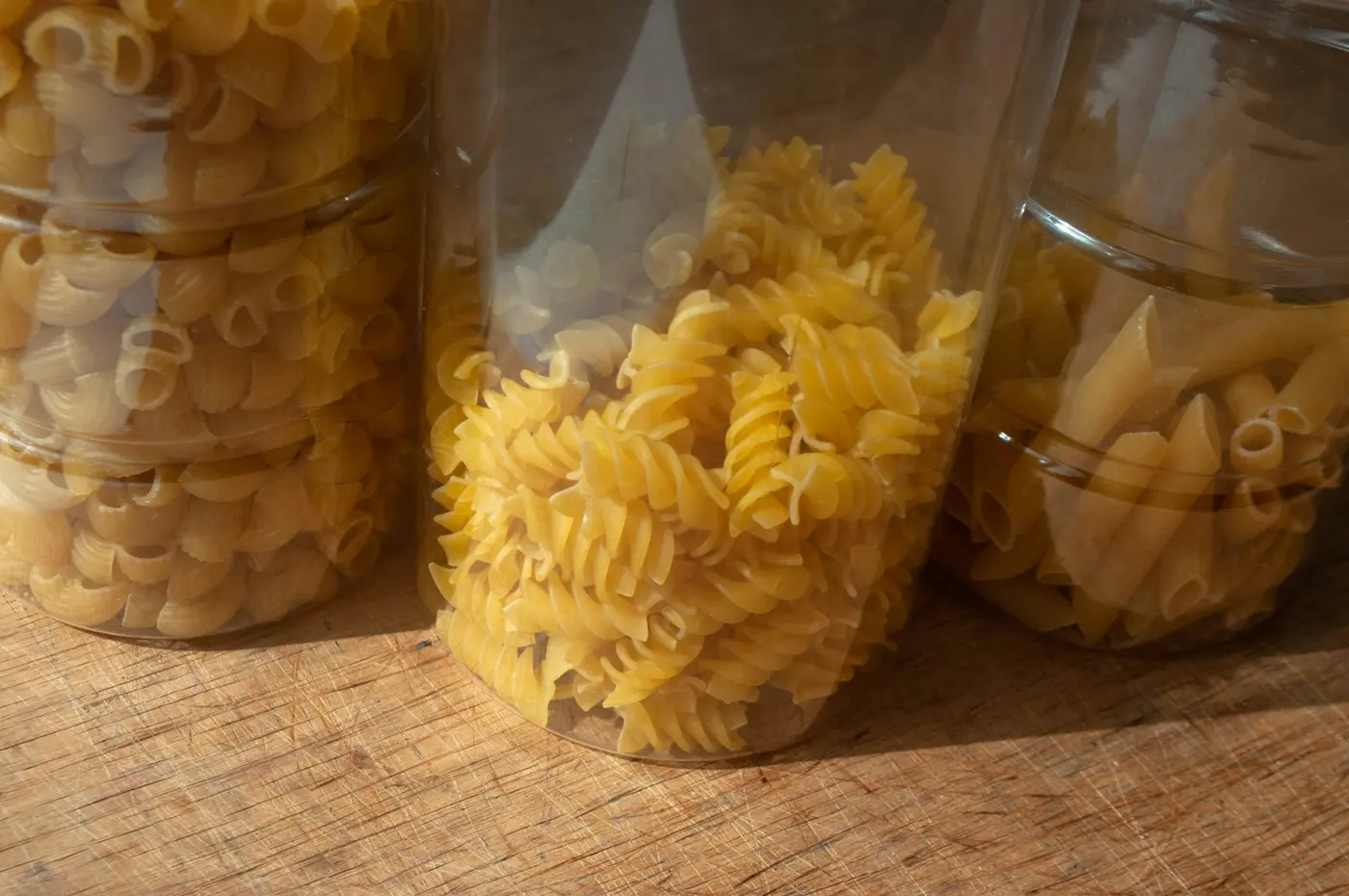
Clear containers of dry pasta shapes on a wooden counter
Ksenia Pixelesse · Unsplash (opens in a new tab)
Unsplash License
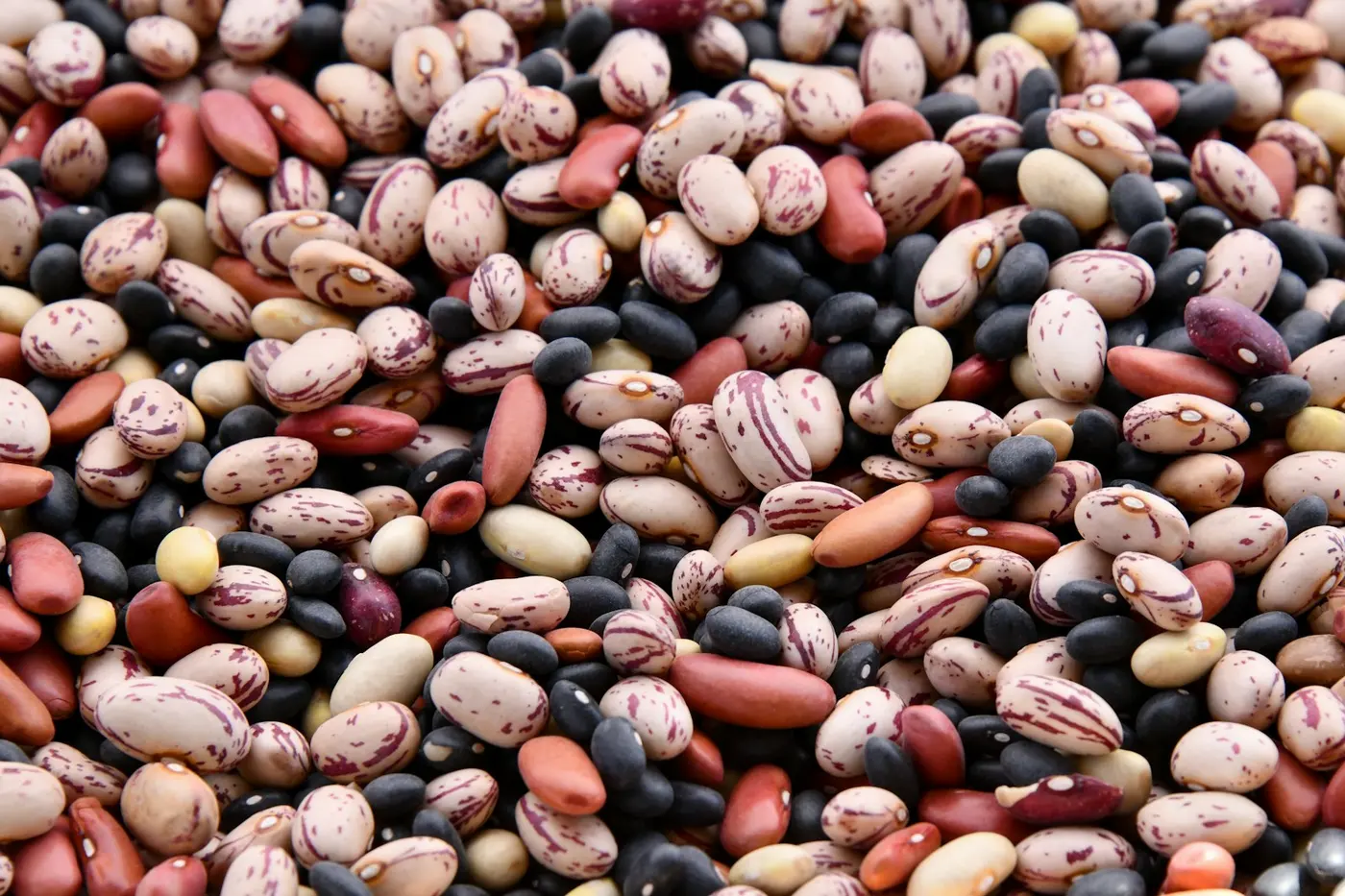
A pile of mixed dried beans in shades of red, cream and black
Shelley Pauls · Unsplash (opens in a new tab)
Unsplash License
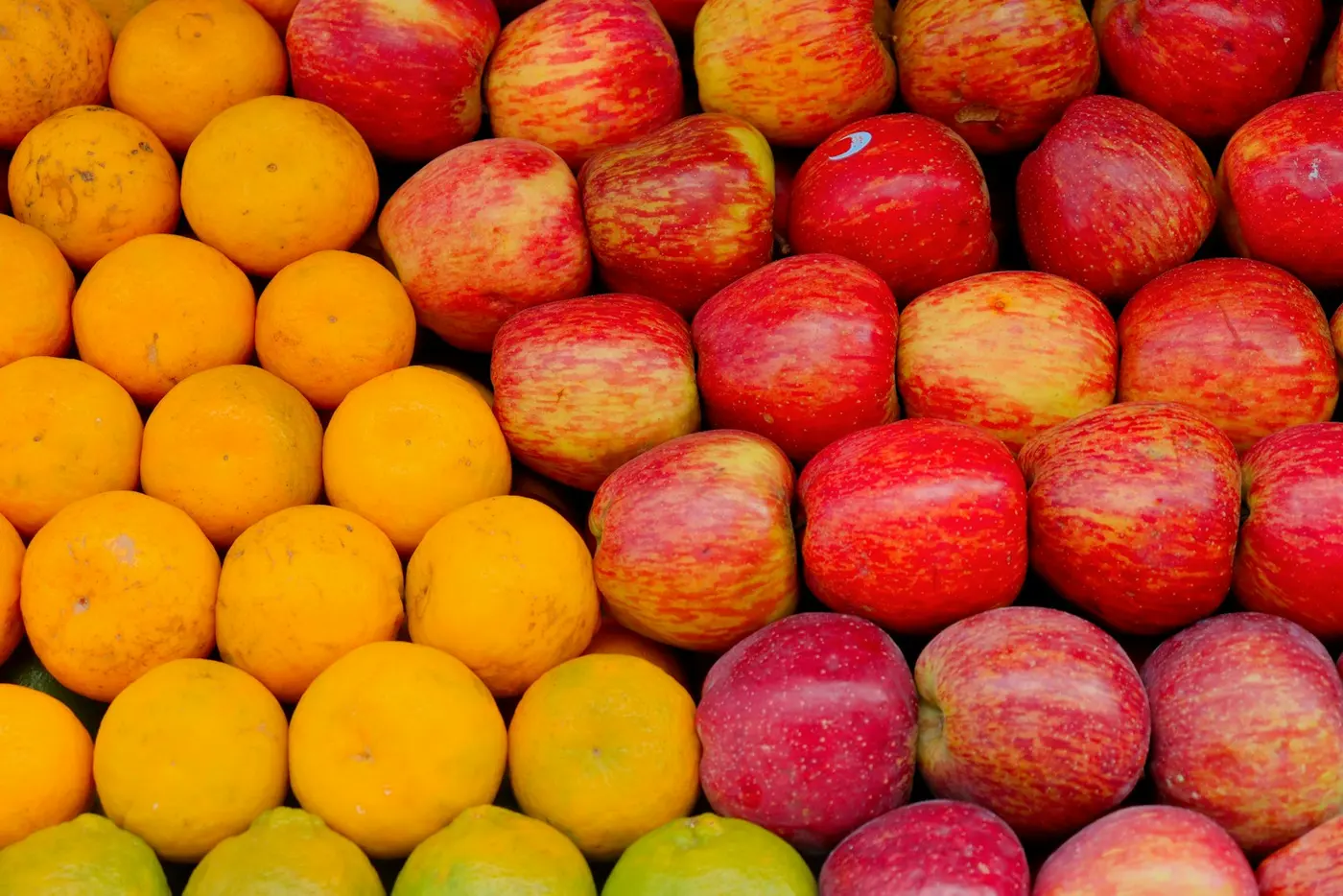
Rows of red apples and oranges stacked side by side
Gowtham AGM · Unsplash (opens in a new tab)
Unsplash License
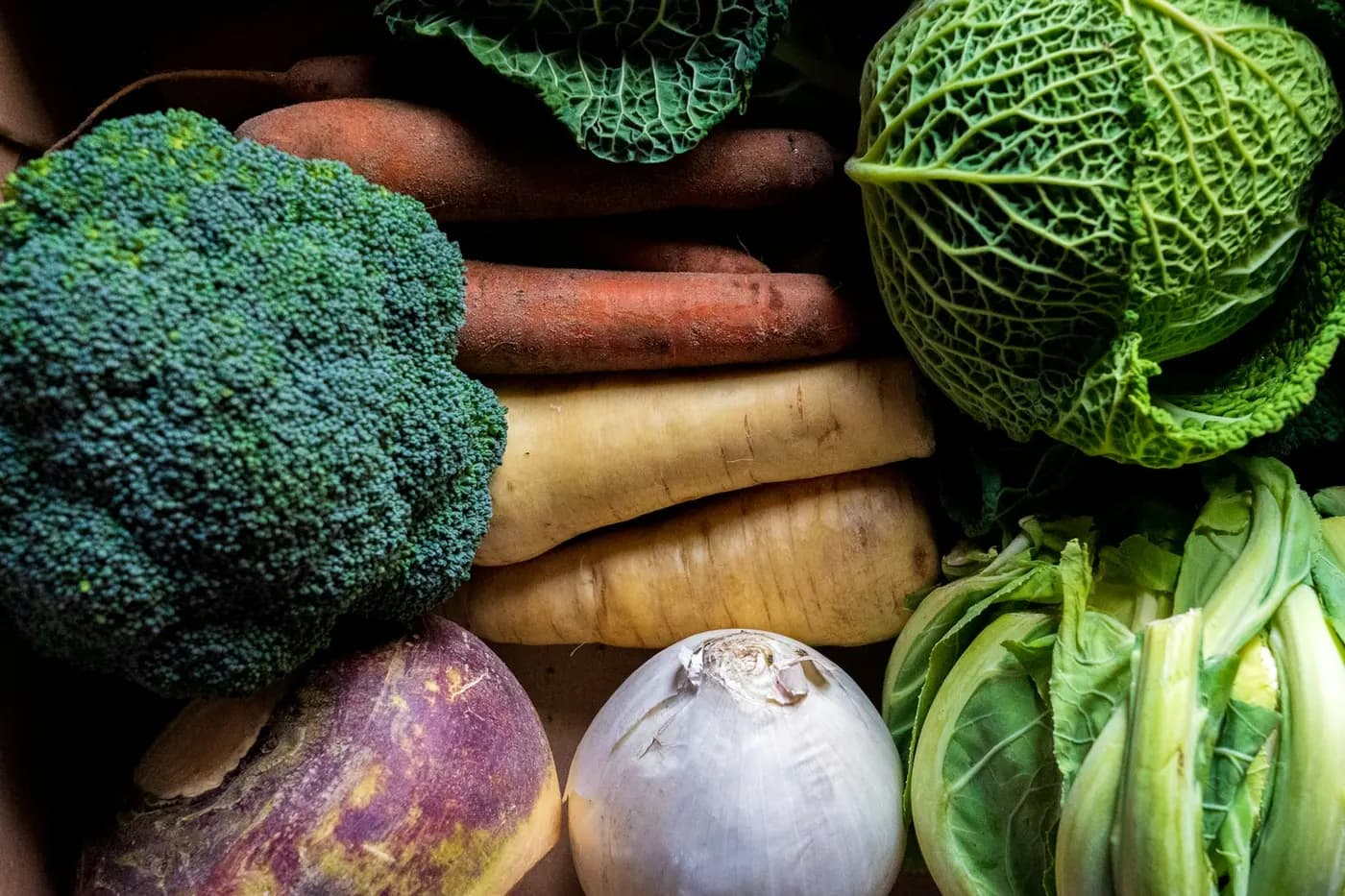
Cabbage, broccoli, carrots, parsnips and turnips piled on a table
Nick Fewings · Unsplash (opens in a new tab)
Unsplash License
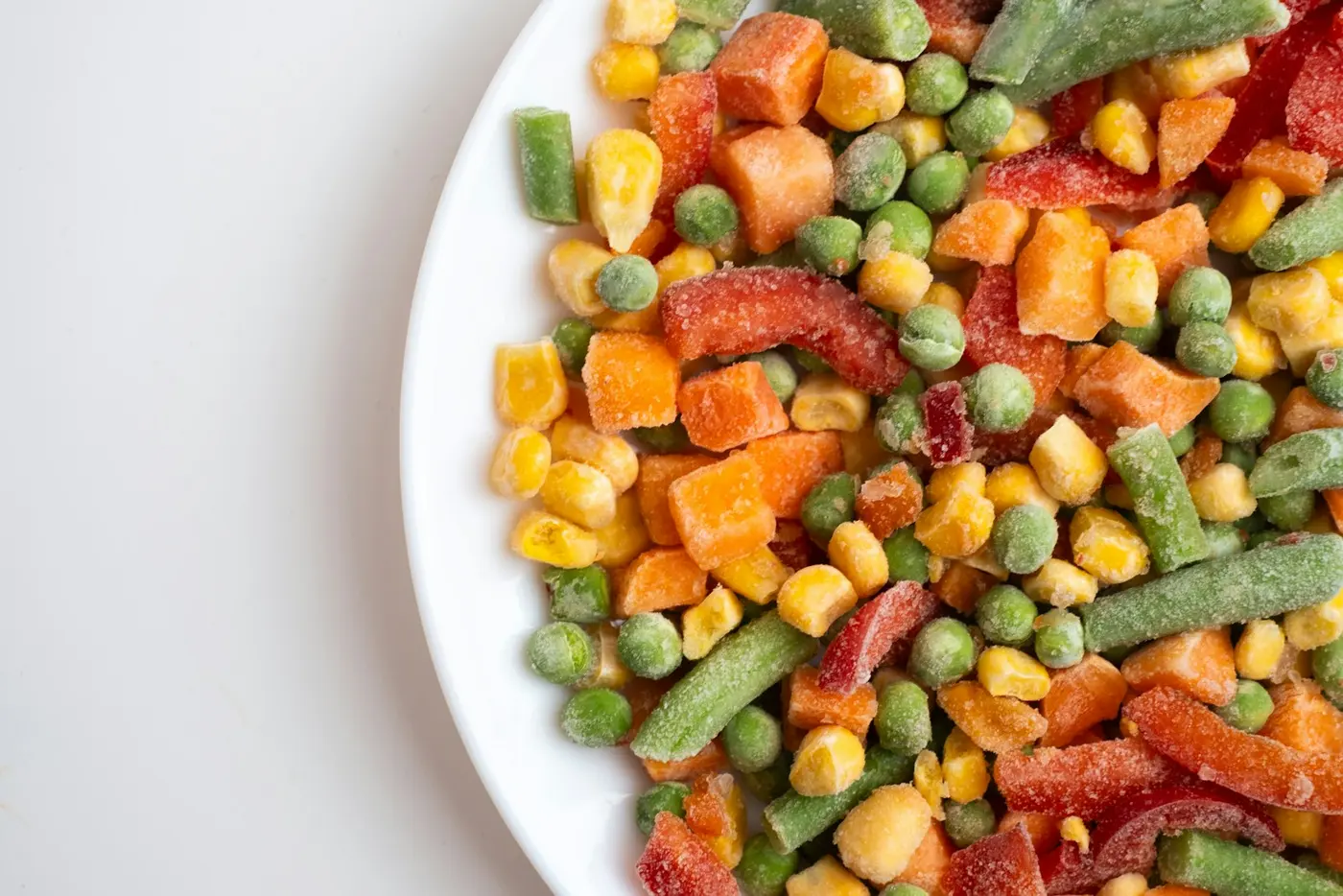
Frozen mixed vegetables (peas, corn, carrots, green beans) on a white plate
Vitalii Abakumov · Unsplash (opens in a new tab)
Unsplash License
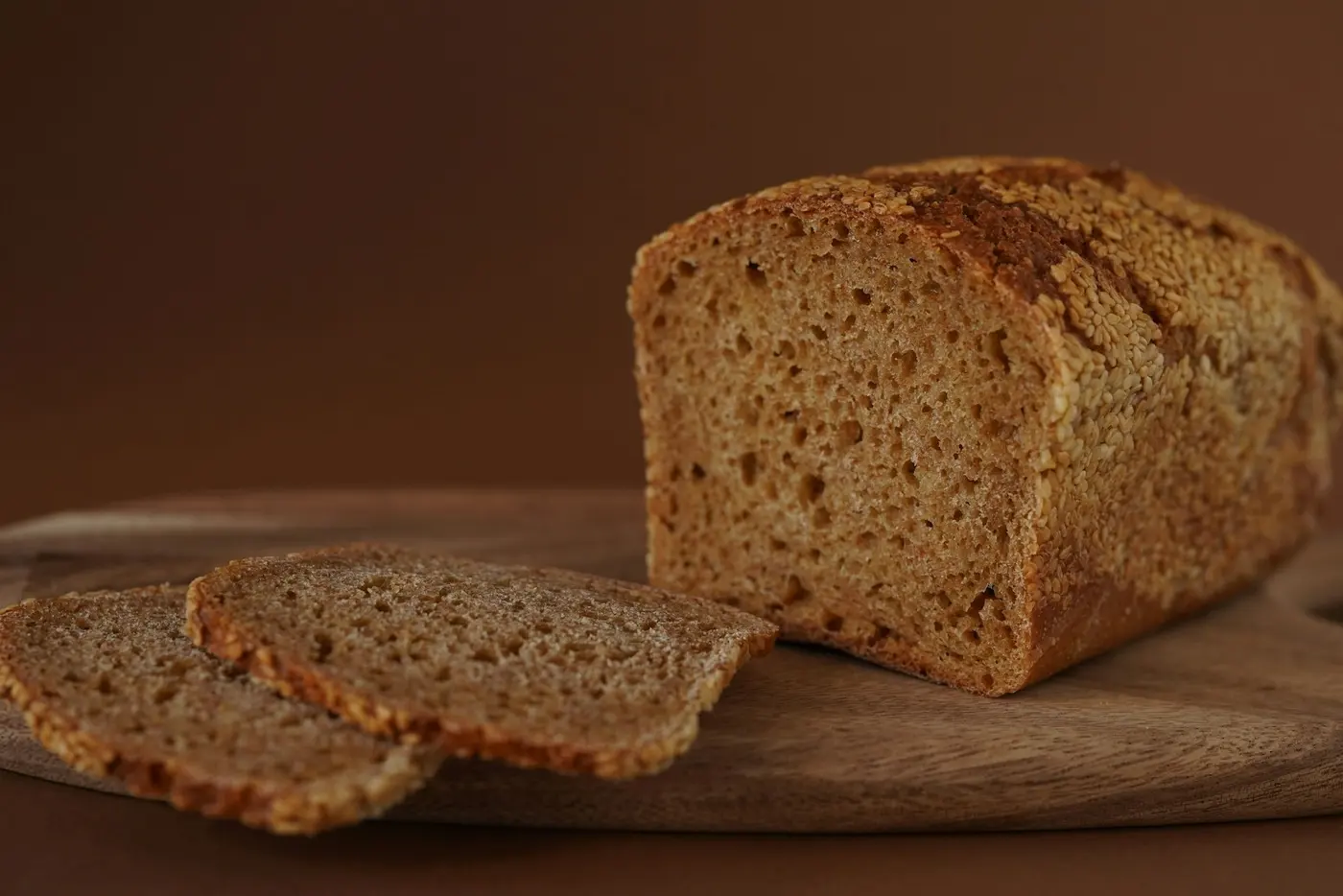
A loaf of whole wheat bread with two slices cut on a wooden board
Victoria Druc · Unsplash (opens in a new tab)
Unsplash License
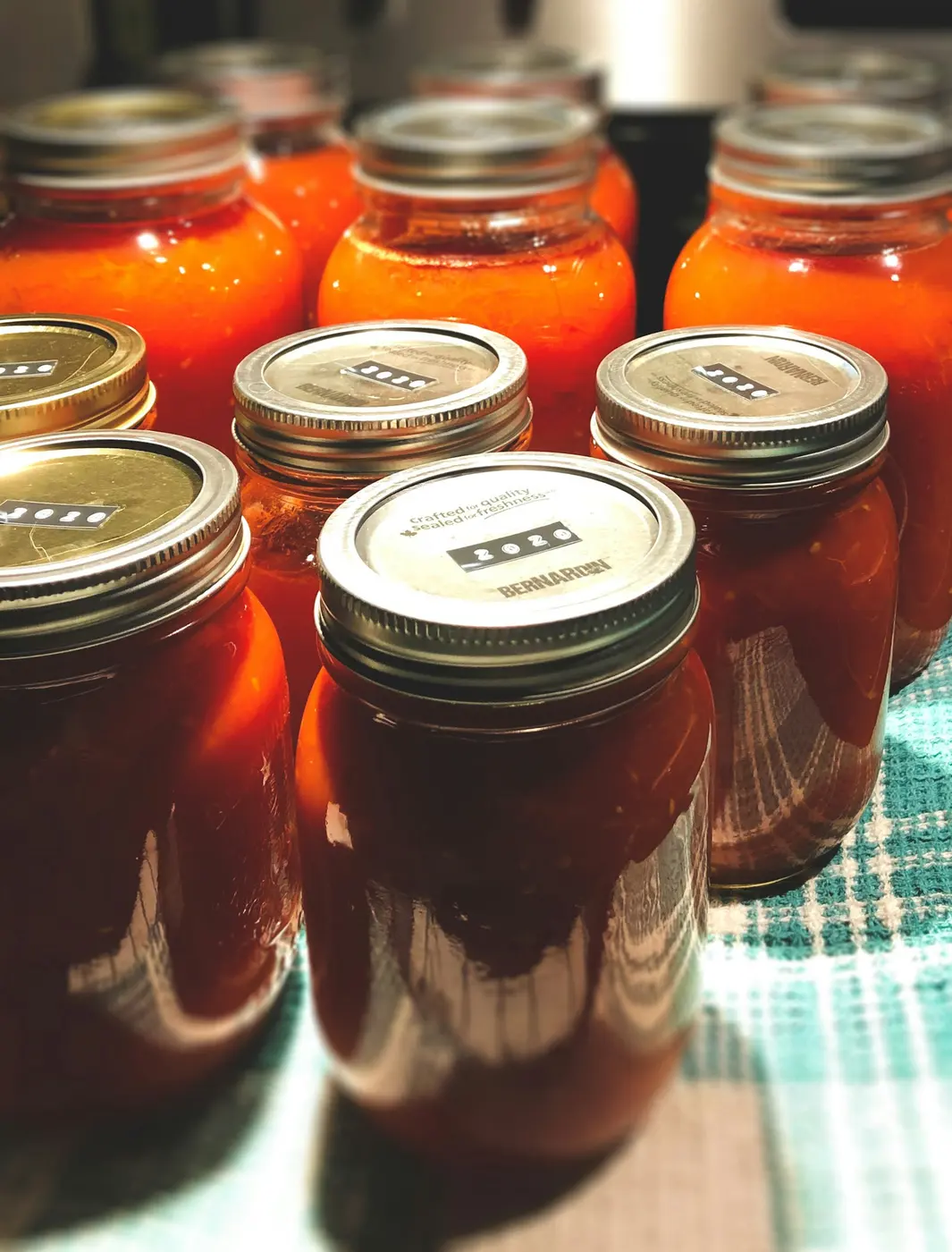
Jars of preserved tomato sauce on a checked cloth
Compagnons · Unsplash (opens in a new tab)
Unsplash License

A glass of milk on a white cloth against a light wall
Marta Dzedyshko · Pexels (opens in a new tab)
Pexels License

A glass cruet of cooking oil, a small dish of salt and slices of bread on a white table
Cup of Couple · Pexels (opens in a new tab)
Pexels License
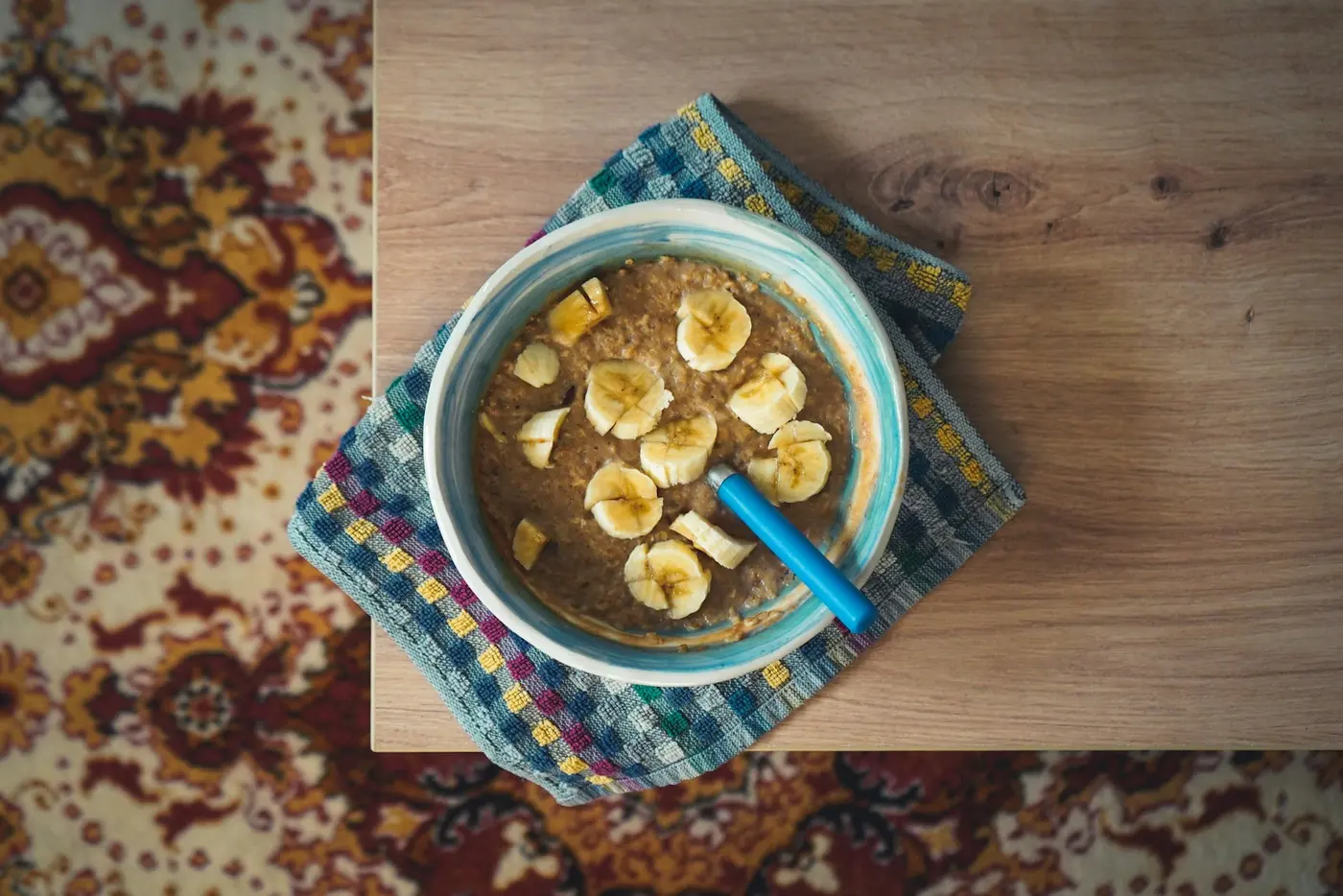
A bowl of oatmeal topped with banana slices on a wooden table
Dimitris Asproloupos · Unsplash (opens in a new tab)
Unsplash License
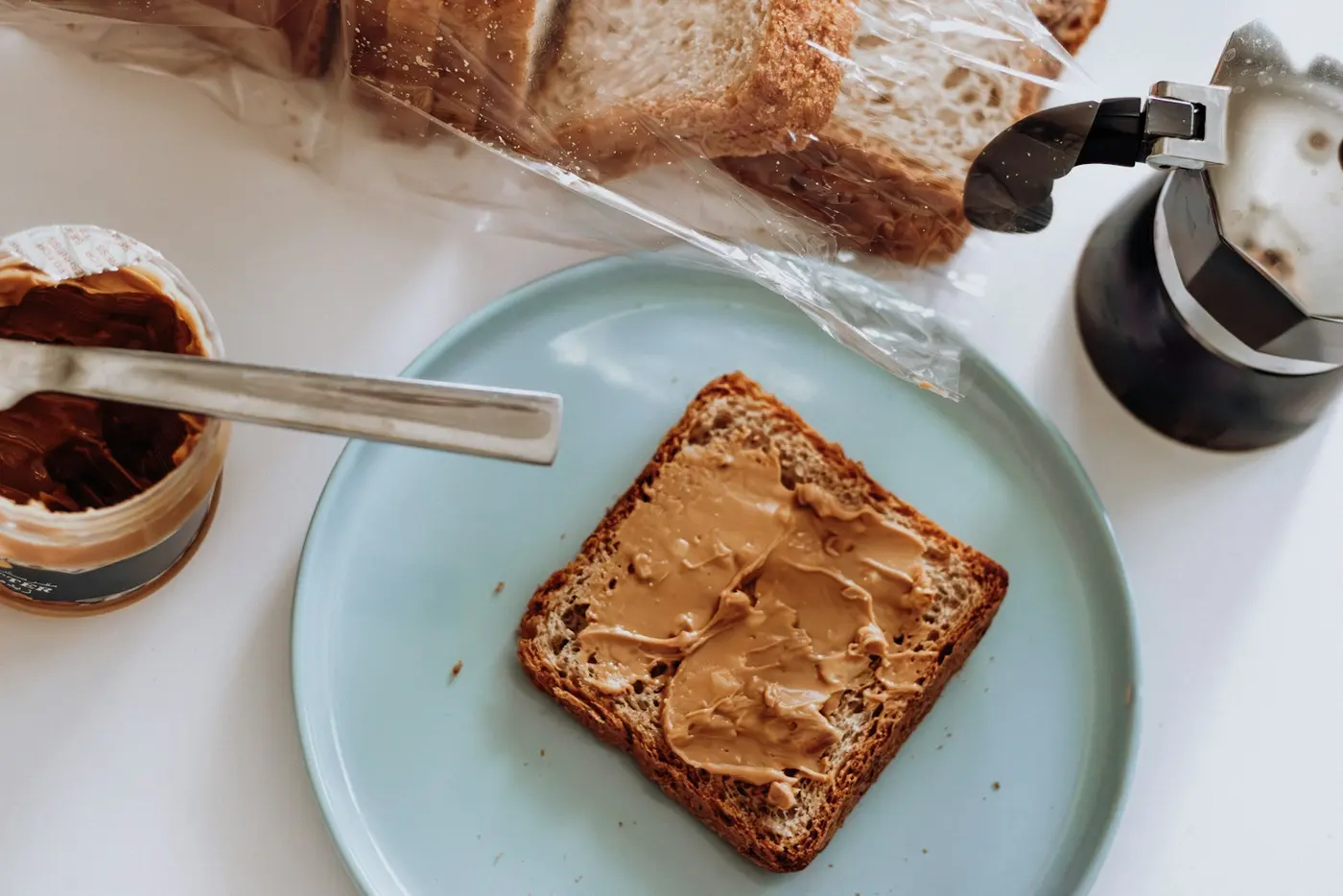
A slice of toast spread with peanut butter on a pale blue plate
The Design Lady · Unsplash (opens in a new tab)
Unsplash License
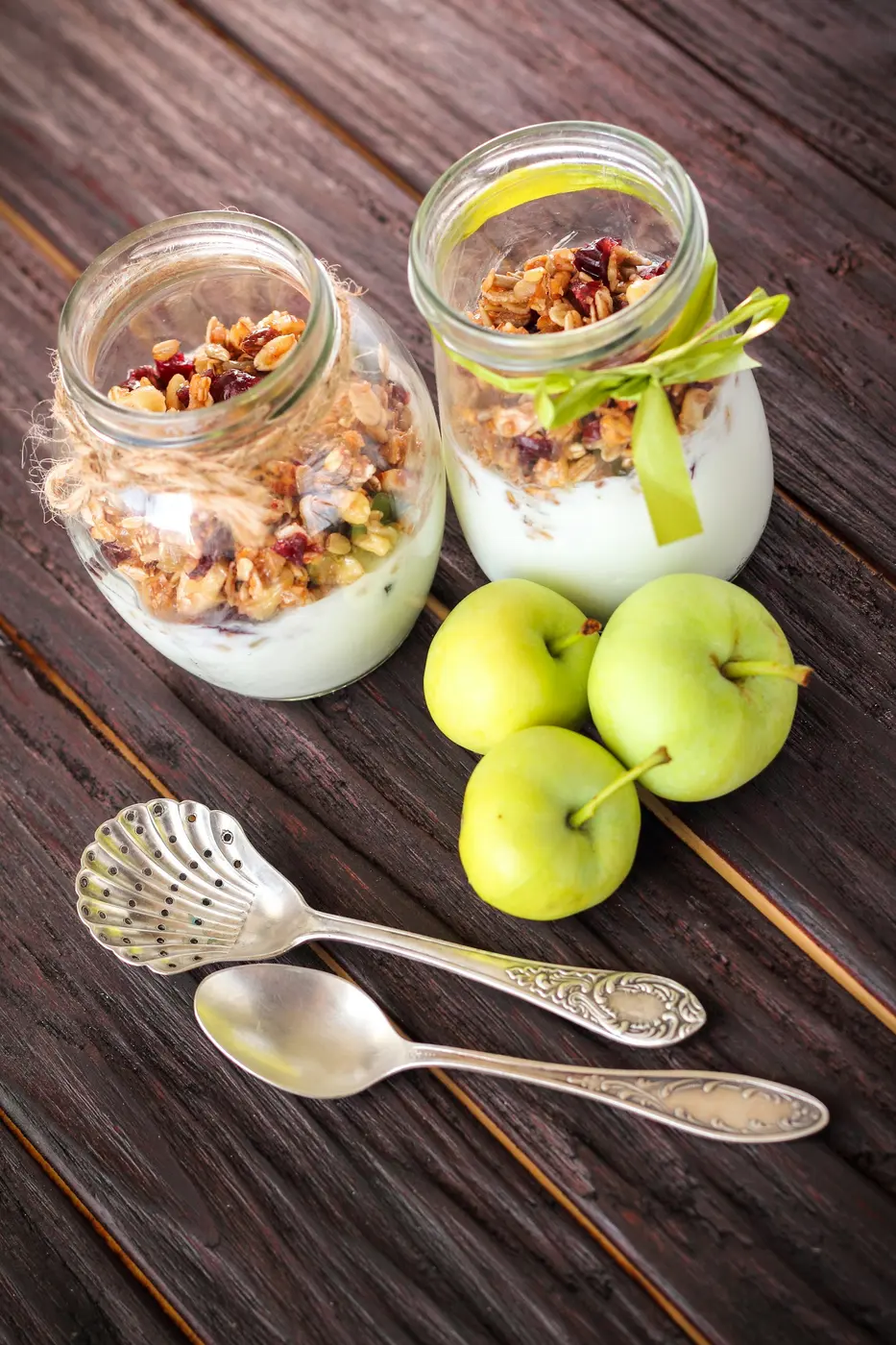
Two jars of yogurt topped with granola next to green apples
Oksana Zub · Unsplash (opens in a new tab)
Unsplash License
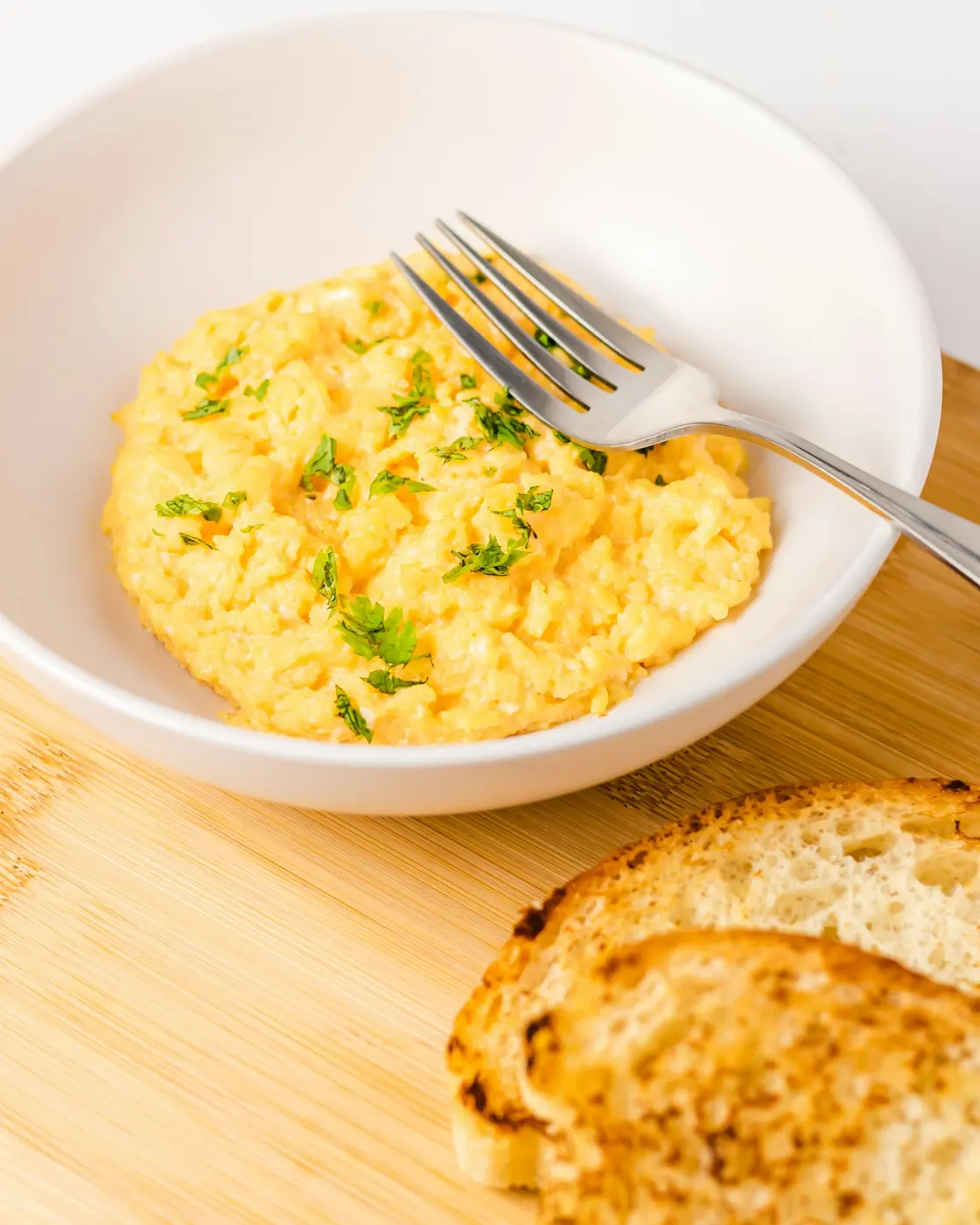
A bowl of scrambled eggs with two slices of toast on a wooden board
Imad 786 · Unsplash (opens in a new tab)
Unsplash License
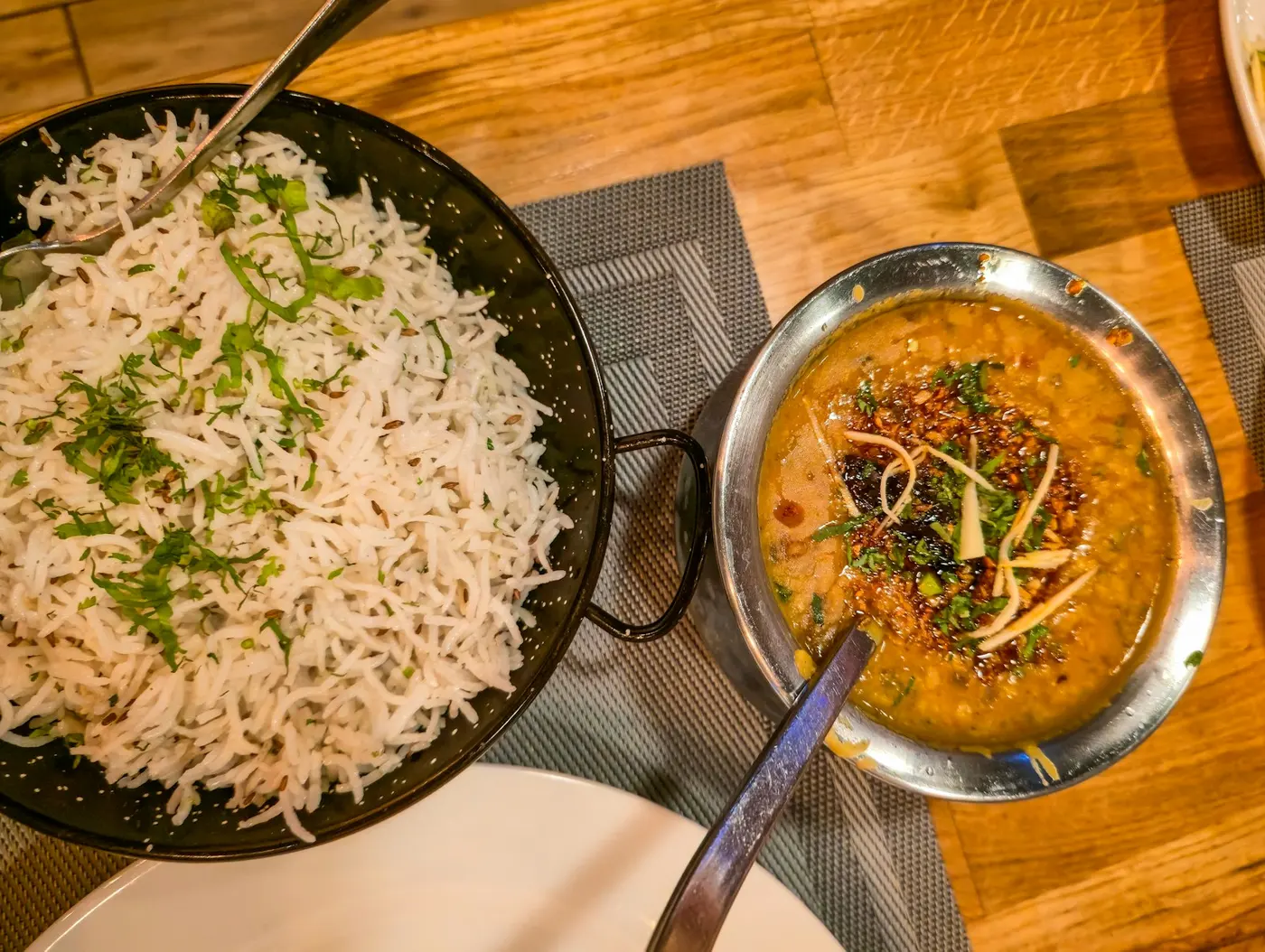
A pan of basmati rice beside a bowl of lentil dal on a wooden table
Zoshua Colah · Unsplash (opens in a new tab)
Unsplash License
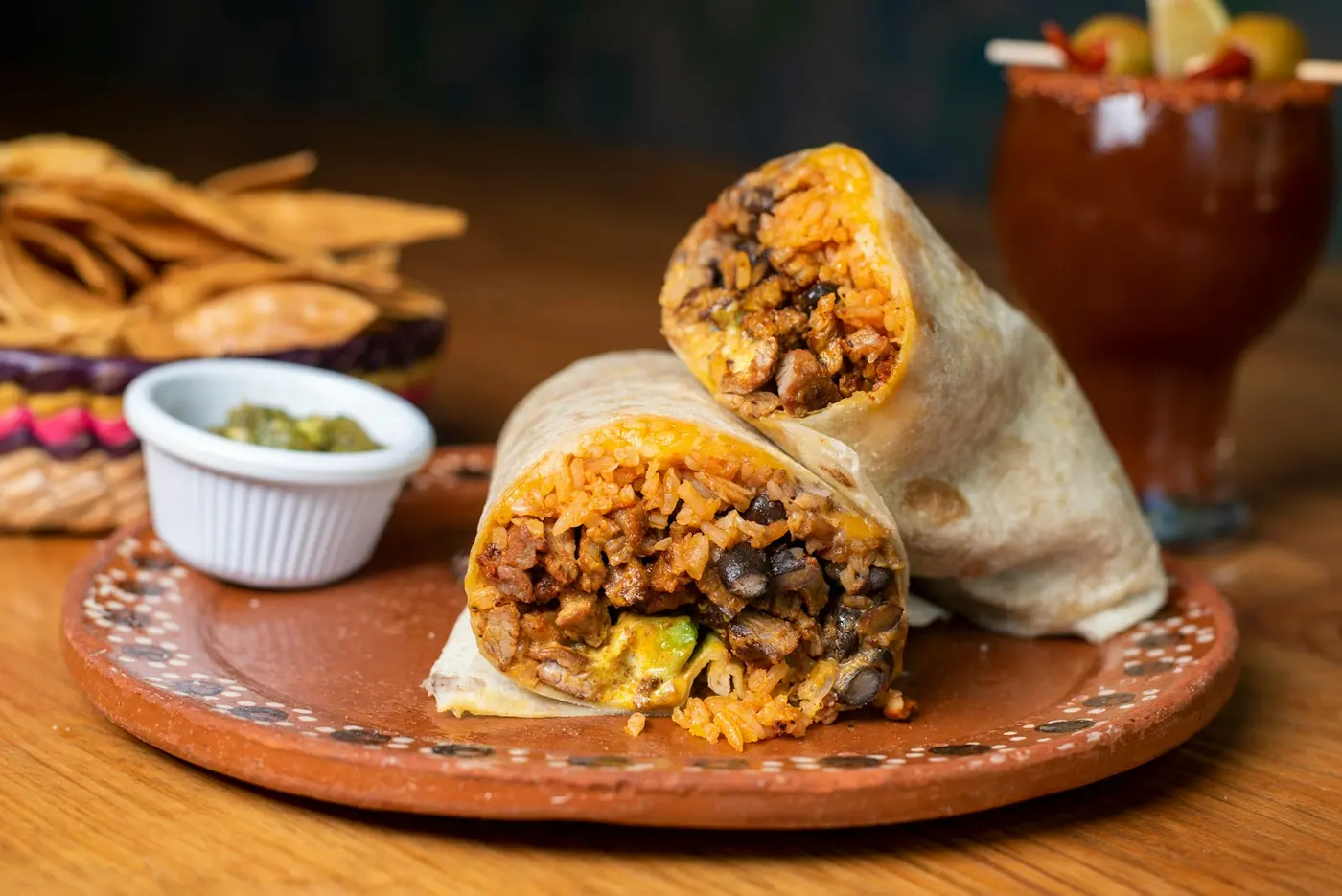
A bean and rice burrito cut in half on a clay plate
Snappr · Unsplash (opens in a new tab)
Unsplash License
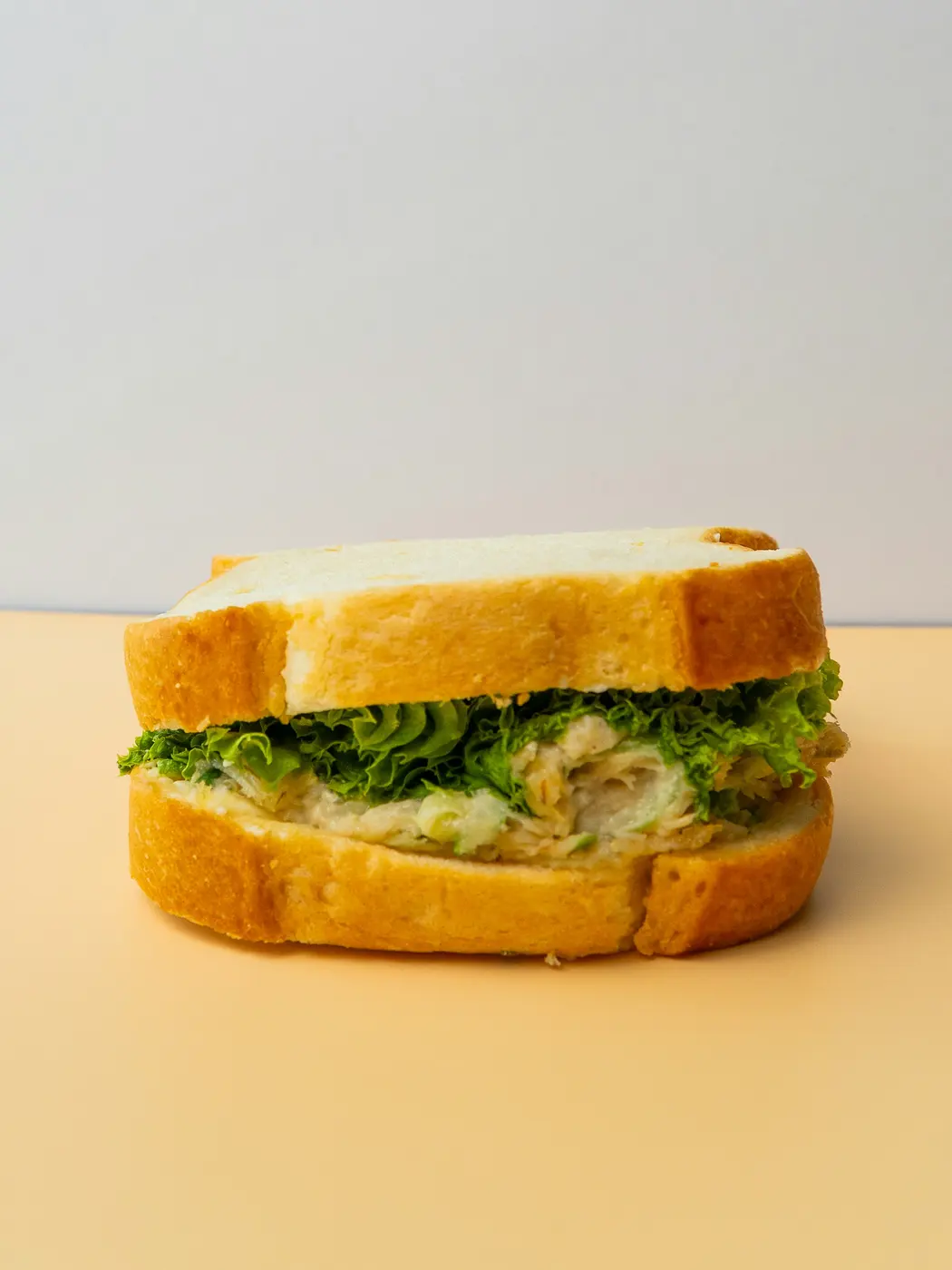
A simple salad sandwich with greens on white bread
Dillon Lobo · Unsplash (opens in a new tab)
Unsplash License
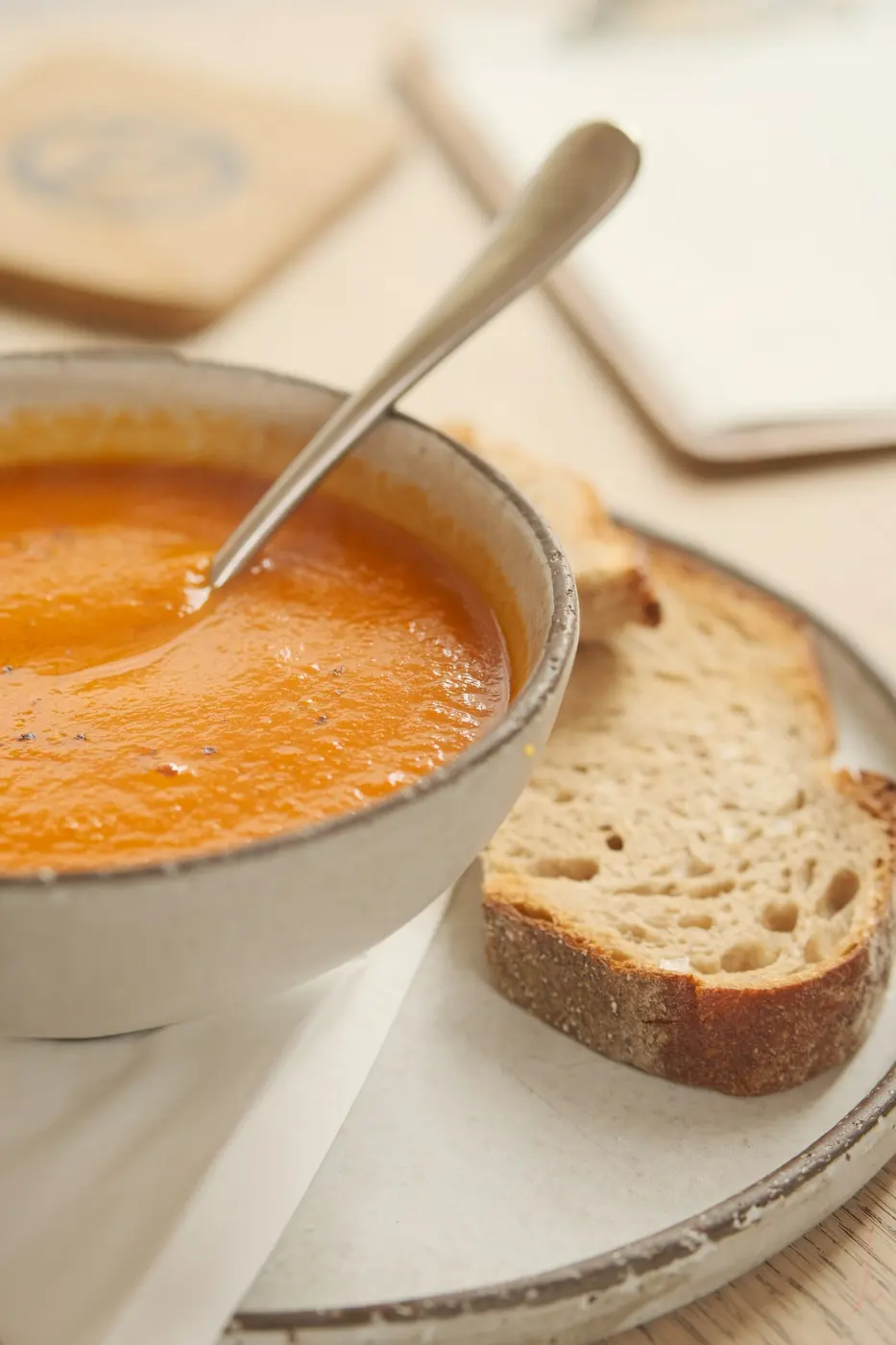
A bowl of orange vegetable soup with a slice of bread on the side
Amar A · Unsplash (opens in a new tab)
Unsplash License
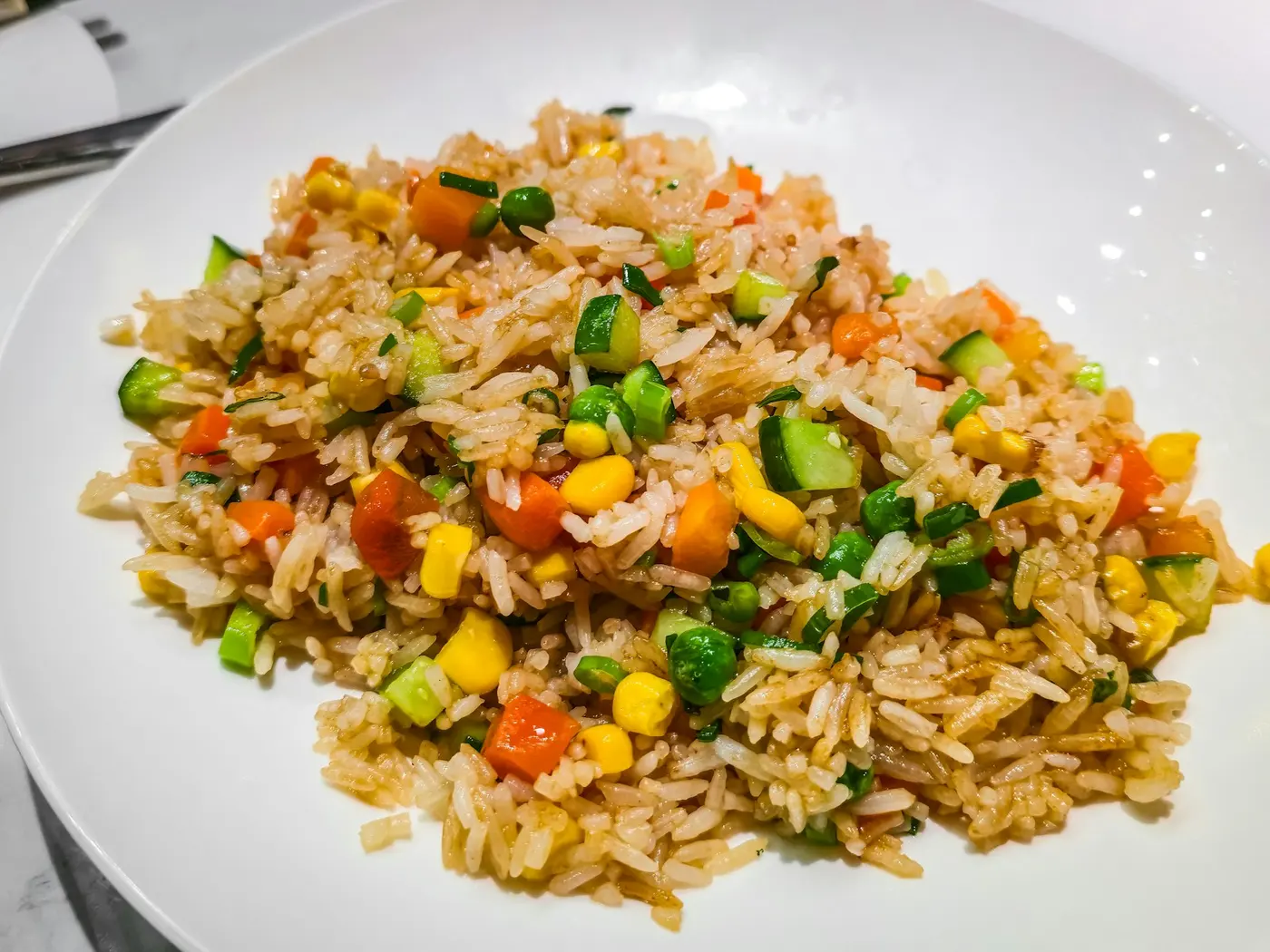
Fried rice with diced carrots, corn, peas and cucumber on a white plate
Zoshua Colah · Unsplash (opens in a new tab)
Unsplash License
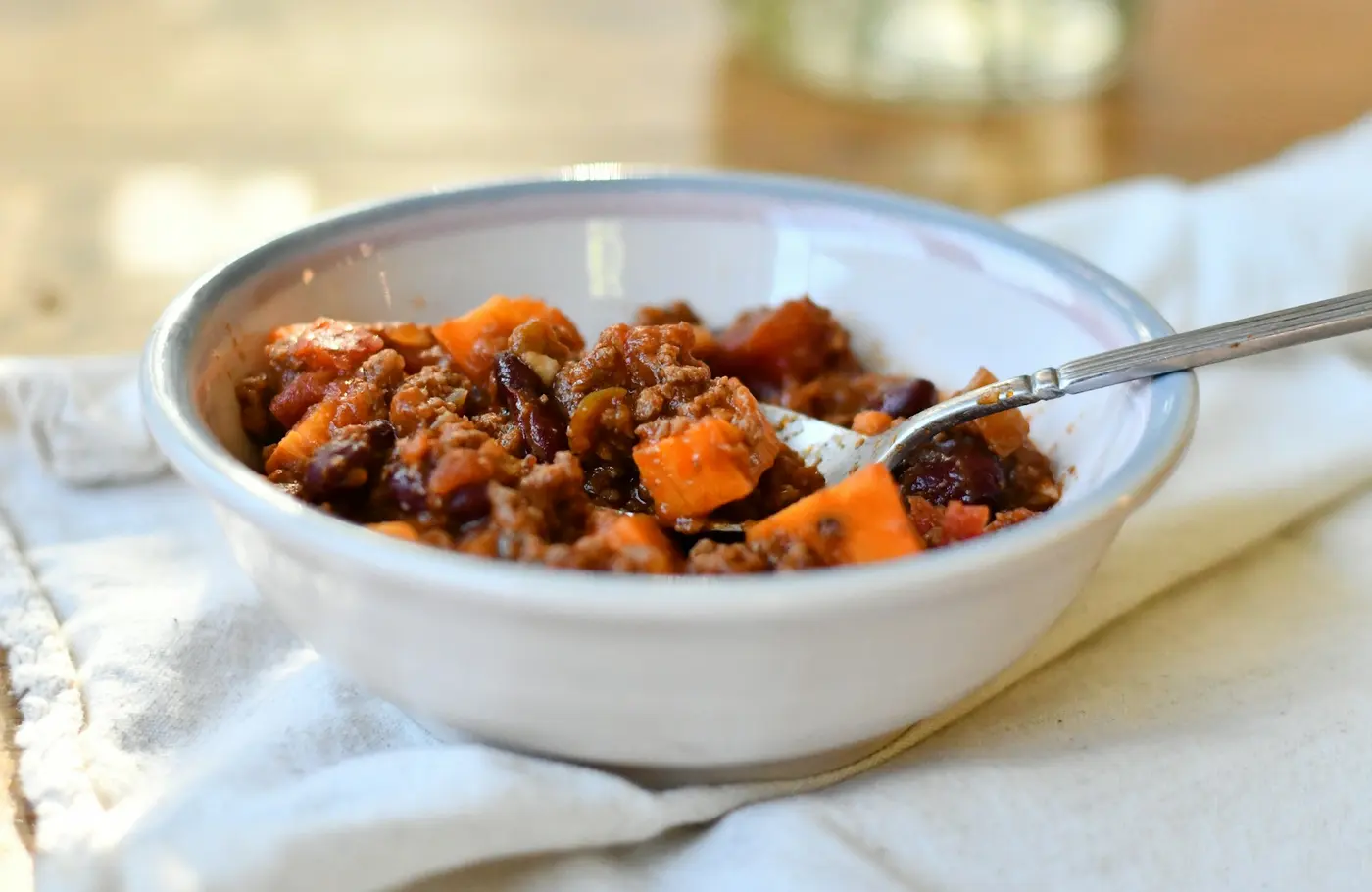
A bowl of hearty bean and sweet potato stew in tomato sauce
Holly Spangler · Unsplash (opens in a new tab)
Unsplash License
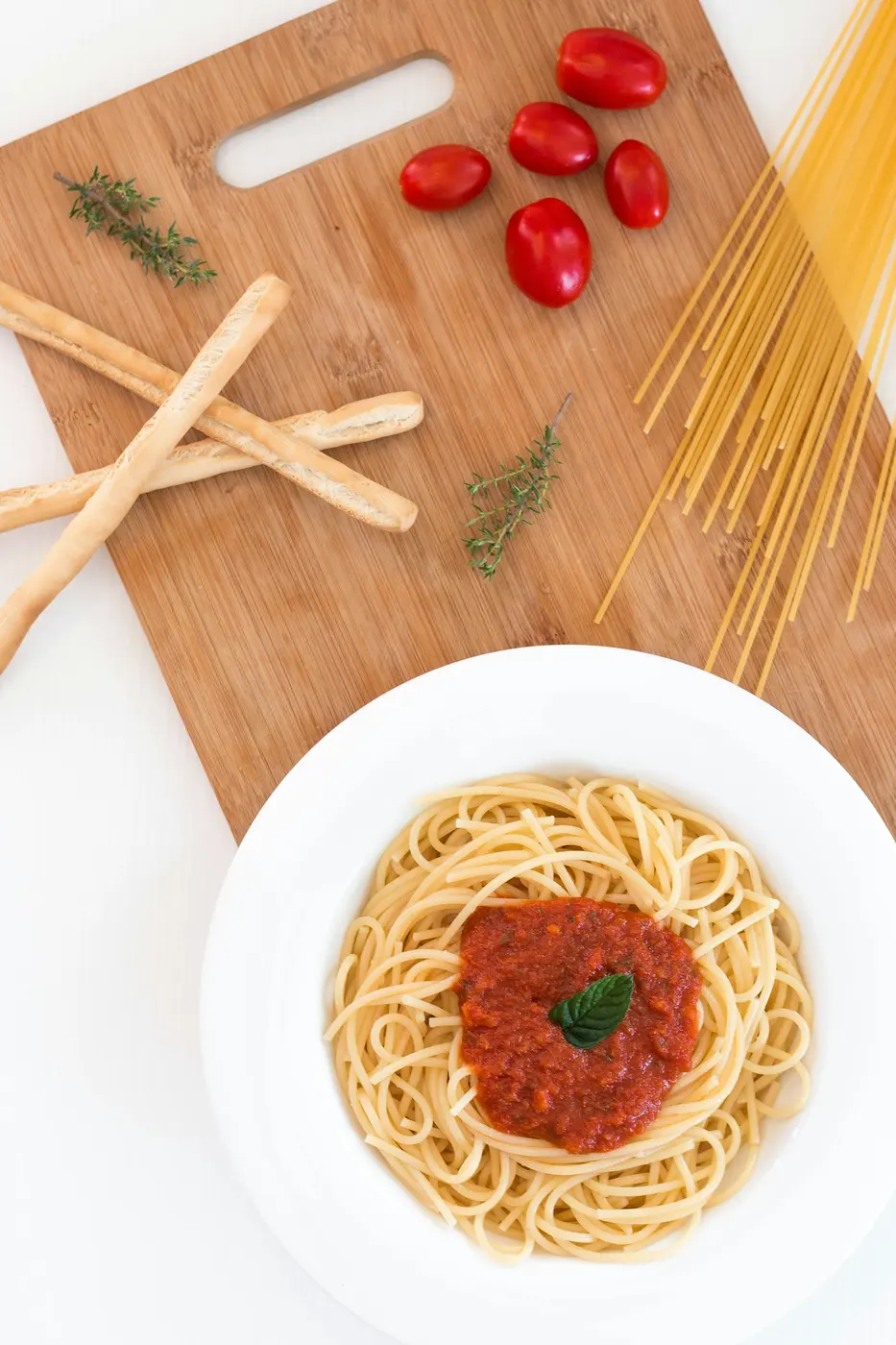
A plate of spaghetti with tomato sauce next to cherry tomatoes and dry pasta
Sara Groblechner · Unsplash (opens in a new tab)
Unsplash License
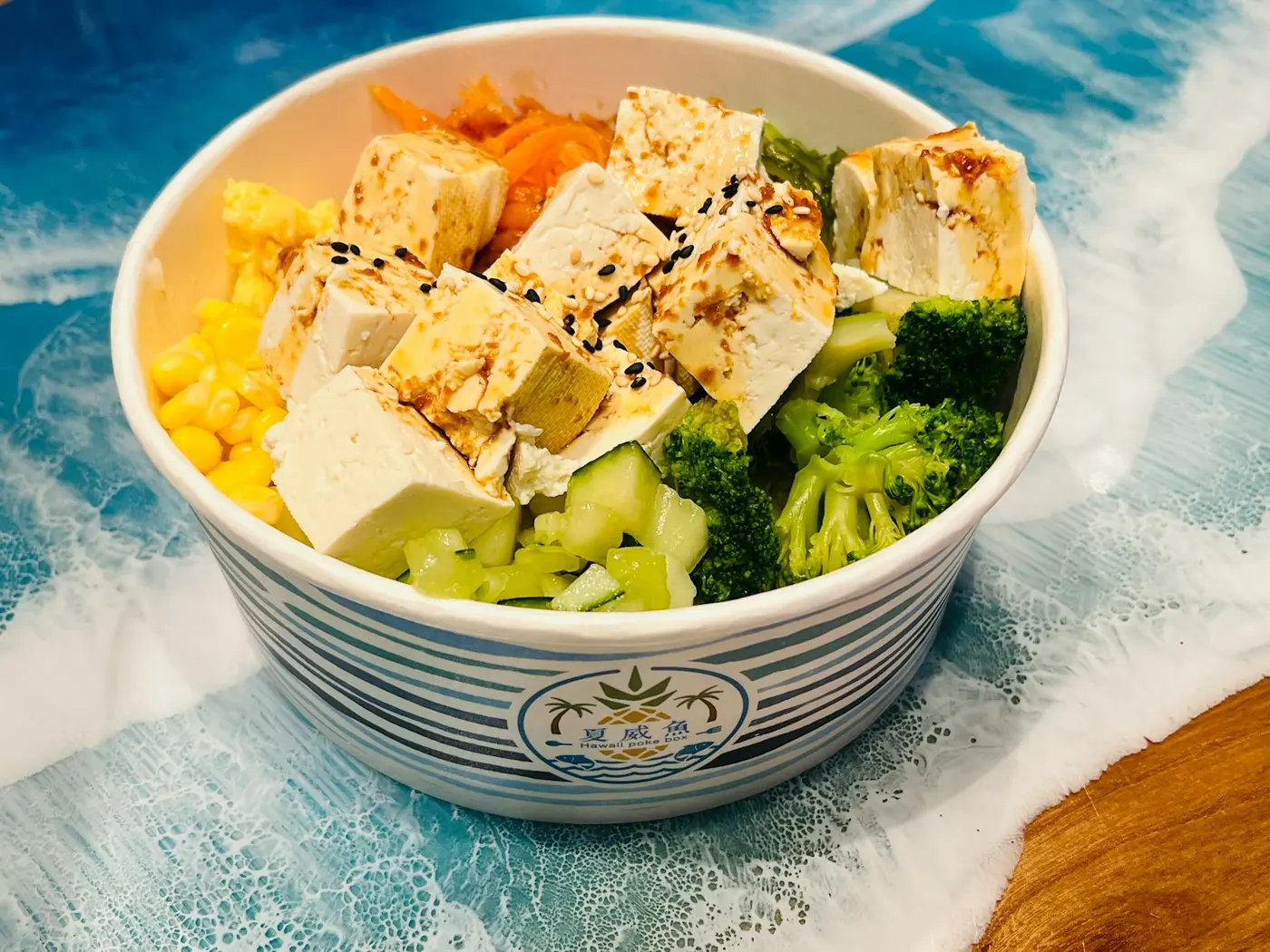
A bowl of tofu cubes with broccoli, corn and carrots
XinYing Lin · Unsplash (opens in a new tab)
Unsplash License
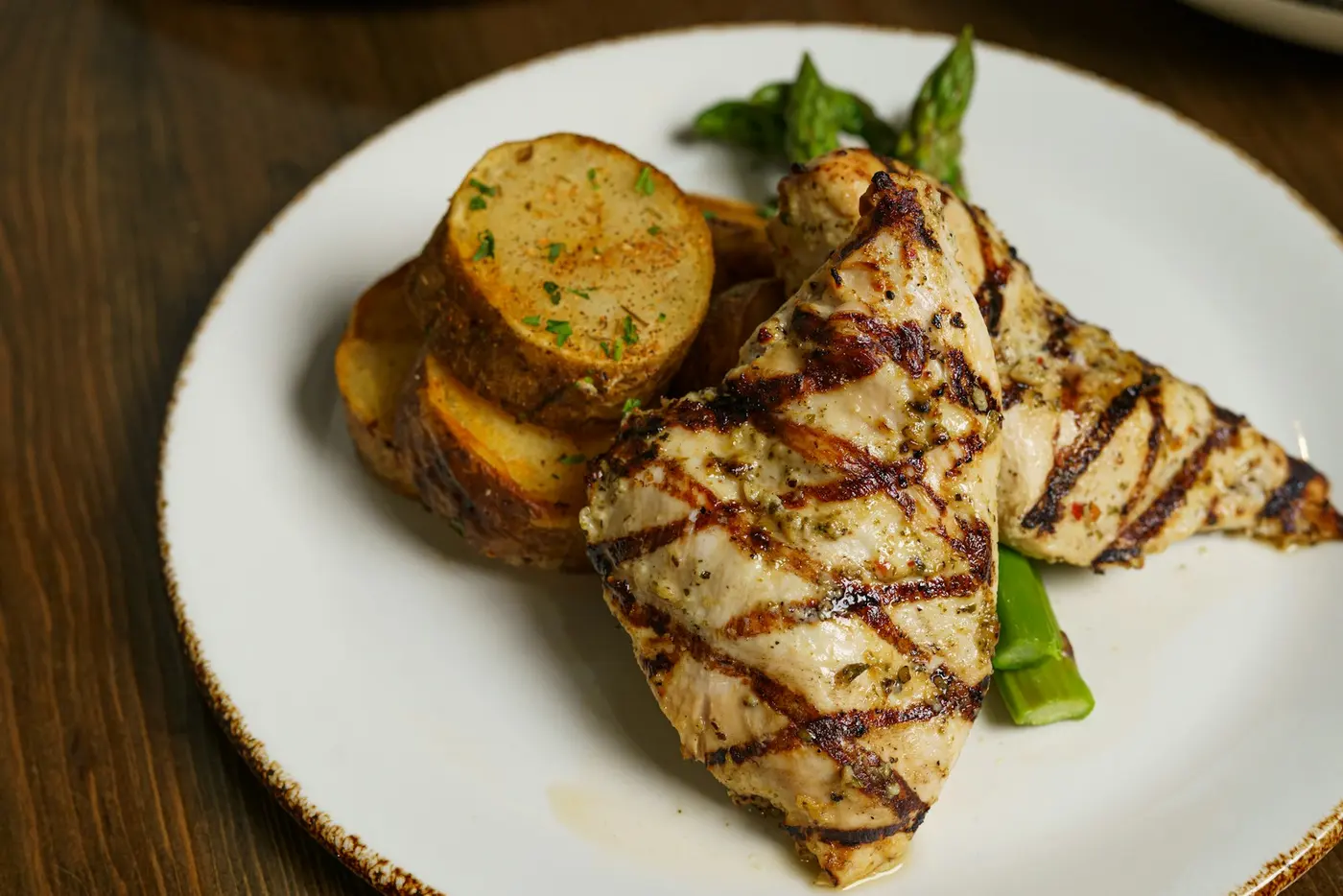
Grilled chicken breast with roasted potato slices on a plate
Hybrid Storytellers · Unsplash (opens in a new tab)
Unsplash License
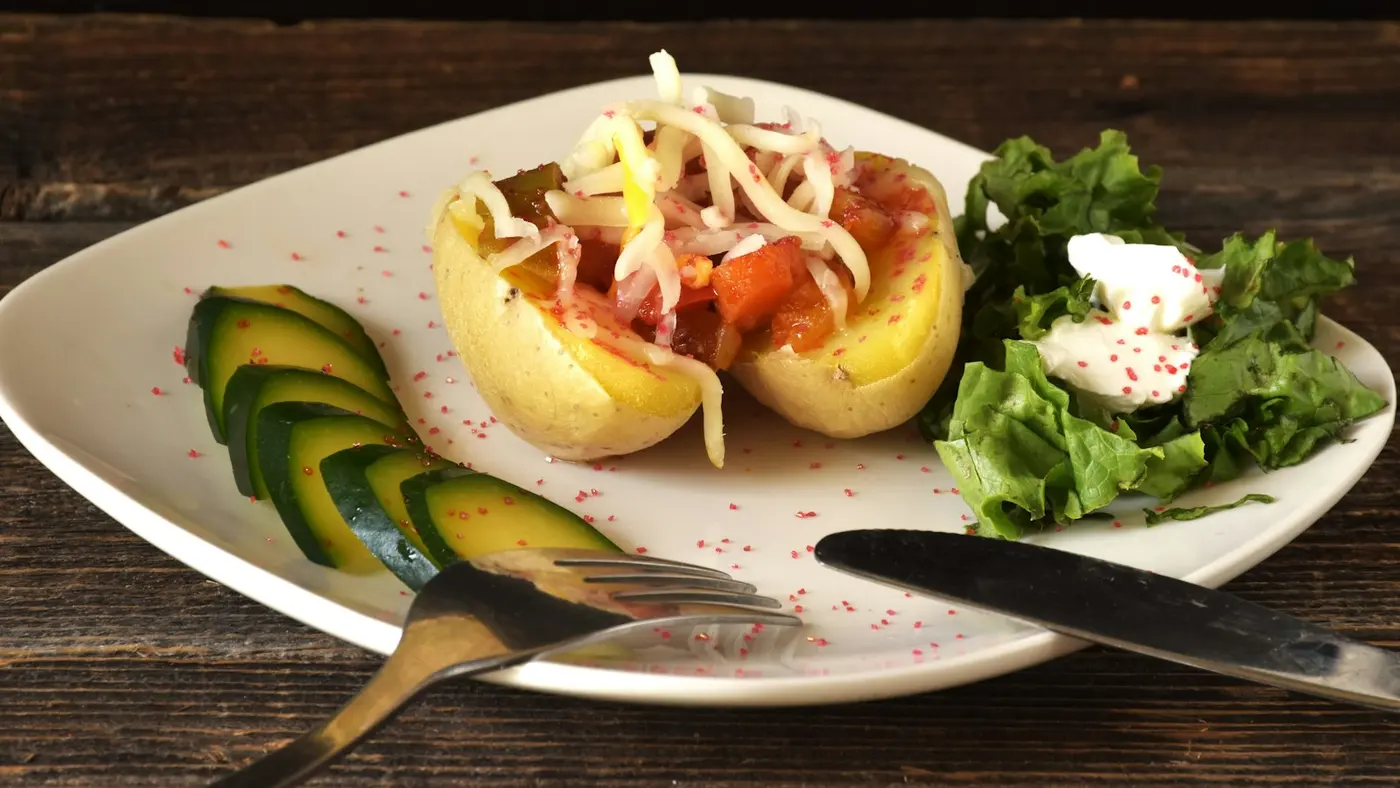
Baked potato halves stuffed with tomato filling, served with salad and cucumber
Gennady Zakharin · Unsplash (opens in a new tab)
Unsplash License
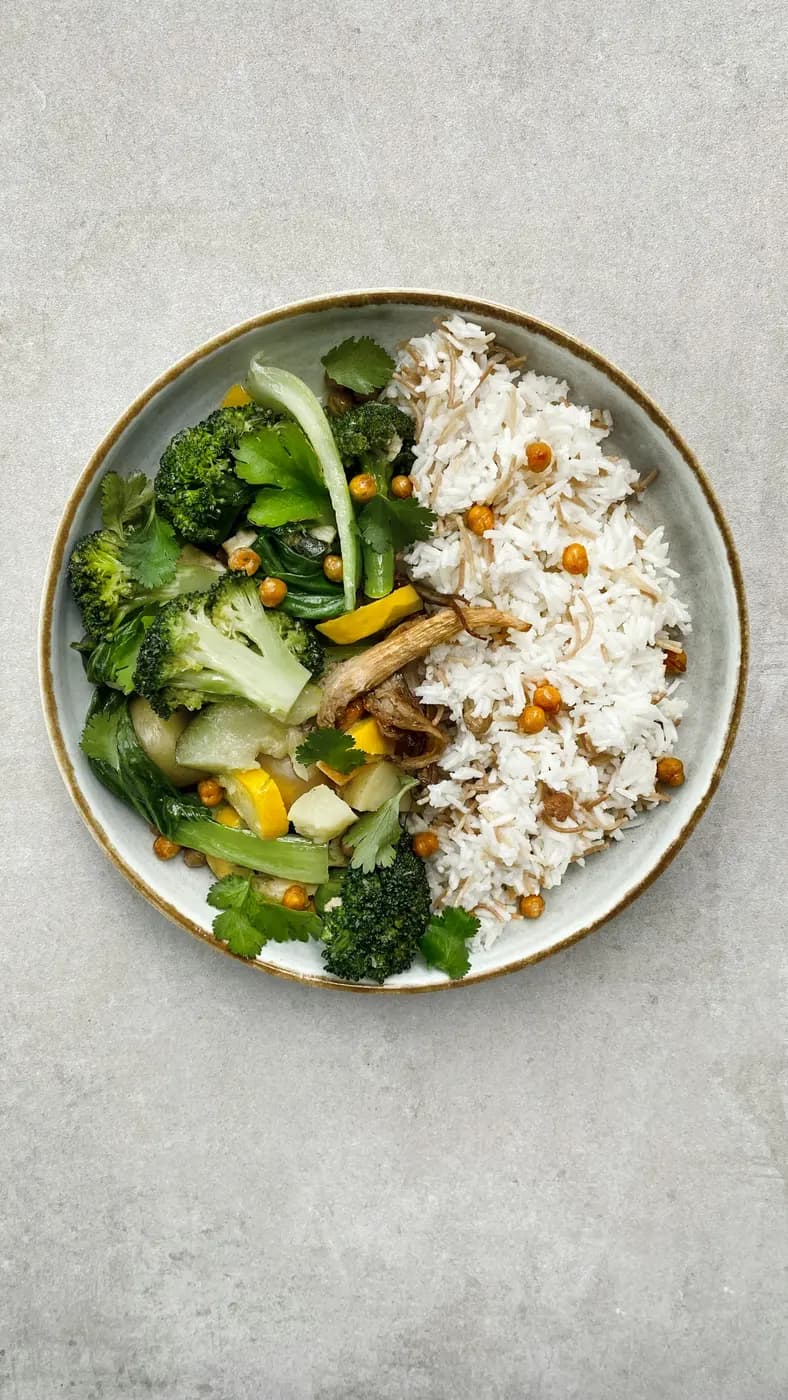
A plate of white rice with steamed broccoli and mixed vegetables
Filipp Romanovski · Unsplash (opens in a new tab)
Unsplash License
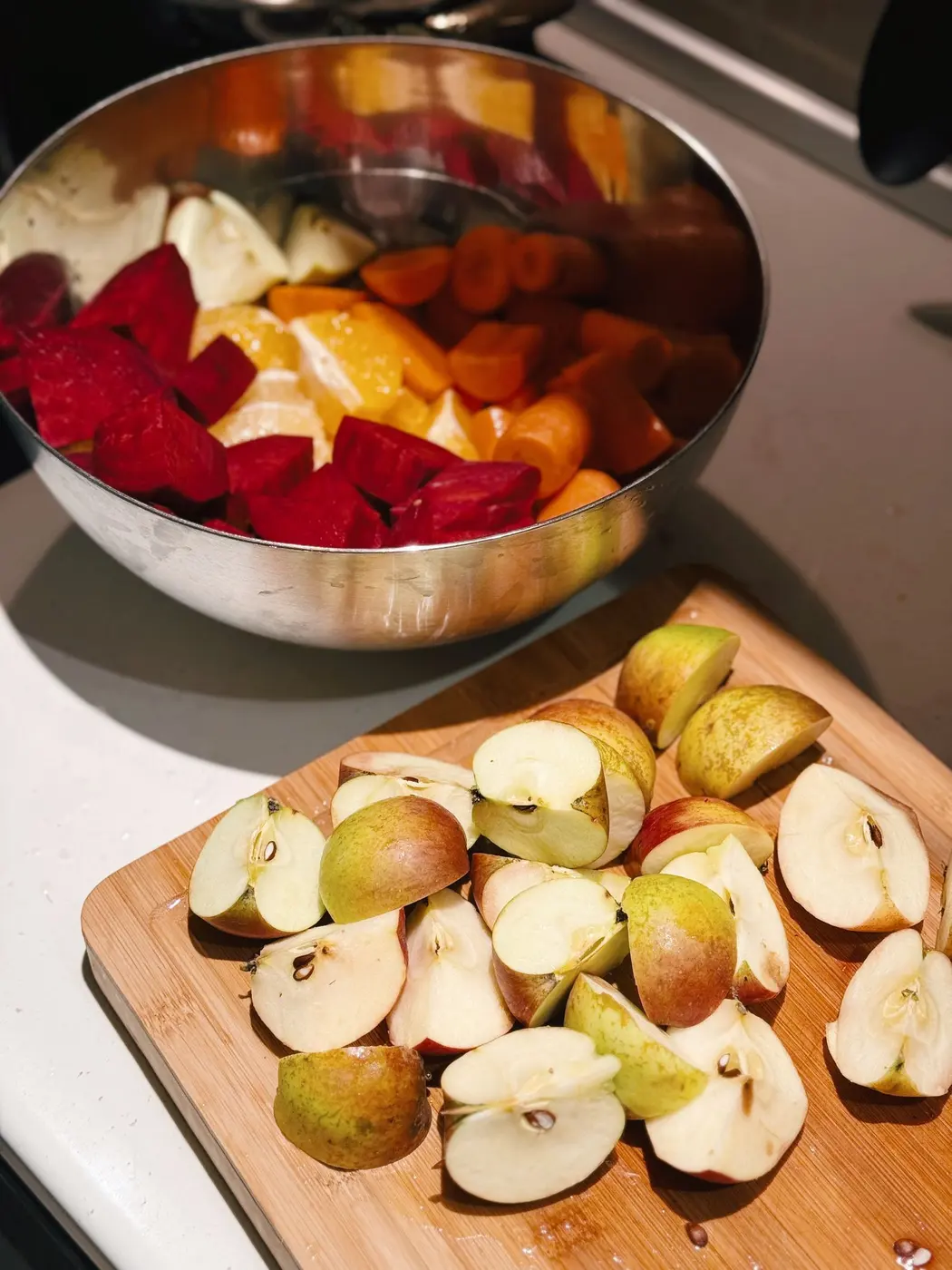
Sliced apples on a cutting board beside a bowl of chopped carrots, oranges and beets
N G · Pexels (opens in a new tab)
Pexels License
See how a plan is put together.
The matching is fixed, published and explained in plain language.